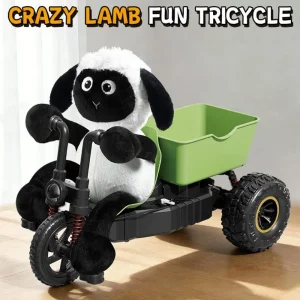
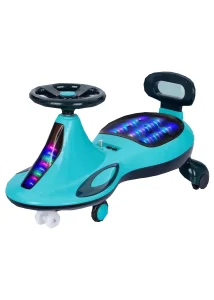
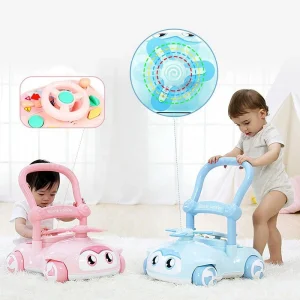
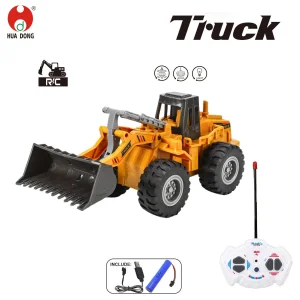
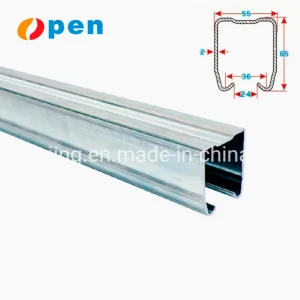
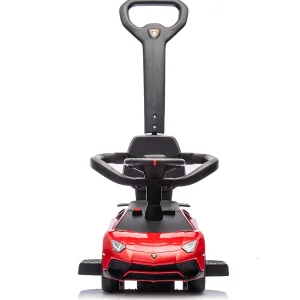
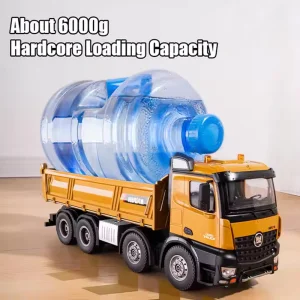
Explore our highly-demanded machinery and mechanical ride-on toys featuring industry-proven specifications
The global toy vehicle market has experienced a significant structural transformation. As international brands and large-scale bulk buyers align their business with rigorous safety standards, environmental sustainability, and mechanical durability, the demands placed upon pull-back car manufacturers and suppliers have escalated.
Pull-back cars, traditionally categorized as low-complexity toys, are now engineered using advanced kinematics and high-precision polymeric materials. Leveraging stored mechanical elastic energy via internal torsion spring coils, these toys eliminate the need for disposable batteries, satisfying the modern consumer's demand for eco-conscious play. For professional buyers, procurement directors, and importers, selecting the right manufacturing partner is not merely about minimizing production cost—it is about ensuring mechanical endurance, chemical composition compliance, and reliable supply chain logistics.
Unlike battery-operated toys that face strict shipping regulations and short lifecycle limitations, mechanical pull-back systems offer an indefinite shelf-life. However, low-quality factories often cut costs by utilizing recycled polystyrene or substandard carbon steel for the spring mechanisms. This results in mechanical fatigue and gear slippage after fewer than 100 cycles. Top-tier Chinese manufacturers now employ POM (Polyoxymethylene) gears and heat-treated manganese steel springs to guarantee over 10,000 failure-free runs.
The worldwide demand for mechanical toys is growing rapidly, driven by two key trends: the "screen-free childhood" movement and the growing preference for eco-friendly products. Market analysis indicates that the mechanical pull-back and friction-powered toy category represents approximately 22% of the global toy vehicle sector.
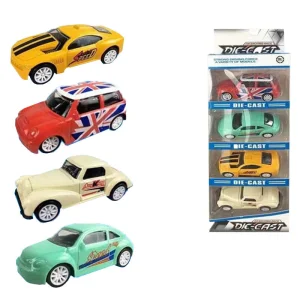
Major consumer markets in North America and Western Europe have seen increased growth in high-end die-cast alloy pull-back cars, which serve double duty as educational toys and collector items. Meanwhile, emerging markets in Latin America and Southeast Asia exhibit strong demand for cost-effective, high-durability plastic vehicle play-sets. Because pull-back cars bypass battery regulations and electrical compliance certifications (such as WEEE in Europe), they can be imported and cleared through customs with lower overhead costs and reduced compliance risk.
China continues to produce more than 75% of the world's pull-back and friction-powered vehicles. This industrial dominance is not merely a product of labor cost advantages, but is supported by deep-rooted infrastructural benefits:
| Evaluation Parameter | Tier 1 Chinese Manufacturers | Standard Low-Cost Workshops |
|---|---|---|
| Primary Plastic Material | 100% Virgin ABS / Polycarbonate | Recycled plastics / Polystyrene mixtures |
| Internal Spring Steel Grade | High-Carbon Steel / Manganese Alloy | Untreated low-carbon wire (fatigues quickly) |
| Gearbox Construction | POM (Polyoxymethylene) dry lubrication | Soft PE plastic (prone to tooth breakage) |
| Global Safety Compliance | EN71, ASTM F963, 3C, REACH, RoHS | Incomplete or expired certification records |
Established as a premier developer, manufacturer, and exporter of premium children’s ride-on and mechanical toys, Shanghai Hoopla Toys Co., Ltd. represents the pinnacle of modern Chinese manufacturing efficiency. With its central headquarters located in the global hub of Shanghai and its advanced, large-scale production facilities positioned strategically inland, Hoopla Toys optimizes overhead expenses while retaining access to top-tier design talent and modern logistics infrastructure.
Hoopla’s core philosophy centers on safety, creative design, and strategic global partnerships. The company’s engineering teams work alongside international safety experts to design toys that exceed testing standards. They focus on using non-toxic, eco-friendly materials, maintaining structural integrity, and optimizing the gear-ratio mechanics of their pull-back toys to maximize velocity without compromising safety.
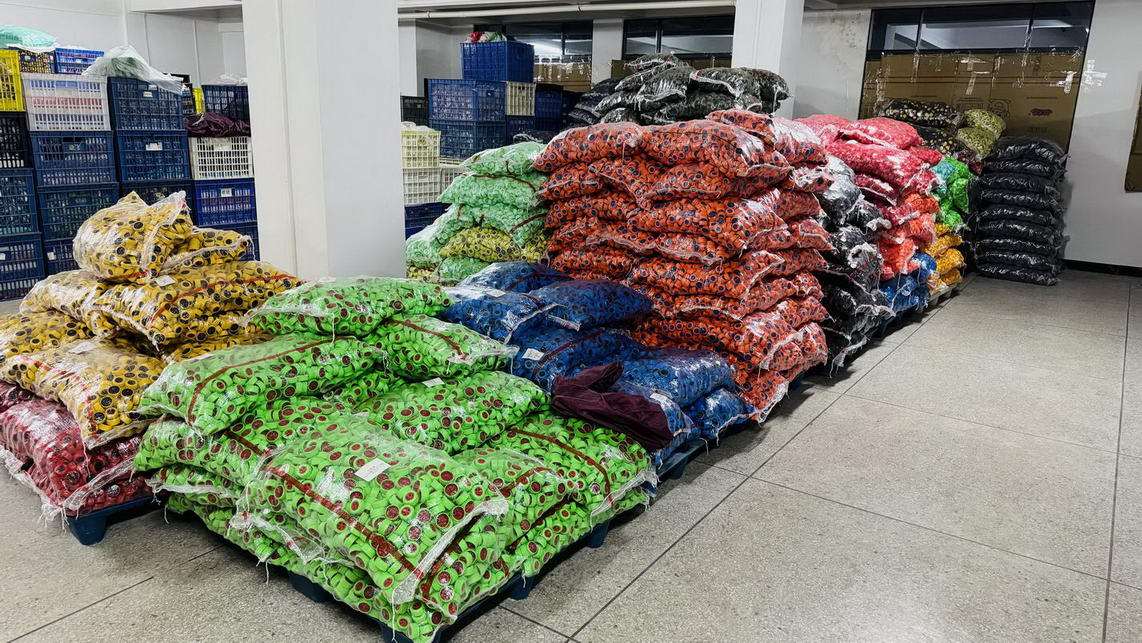
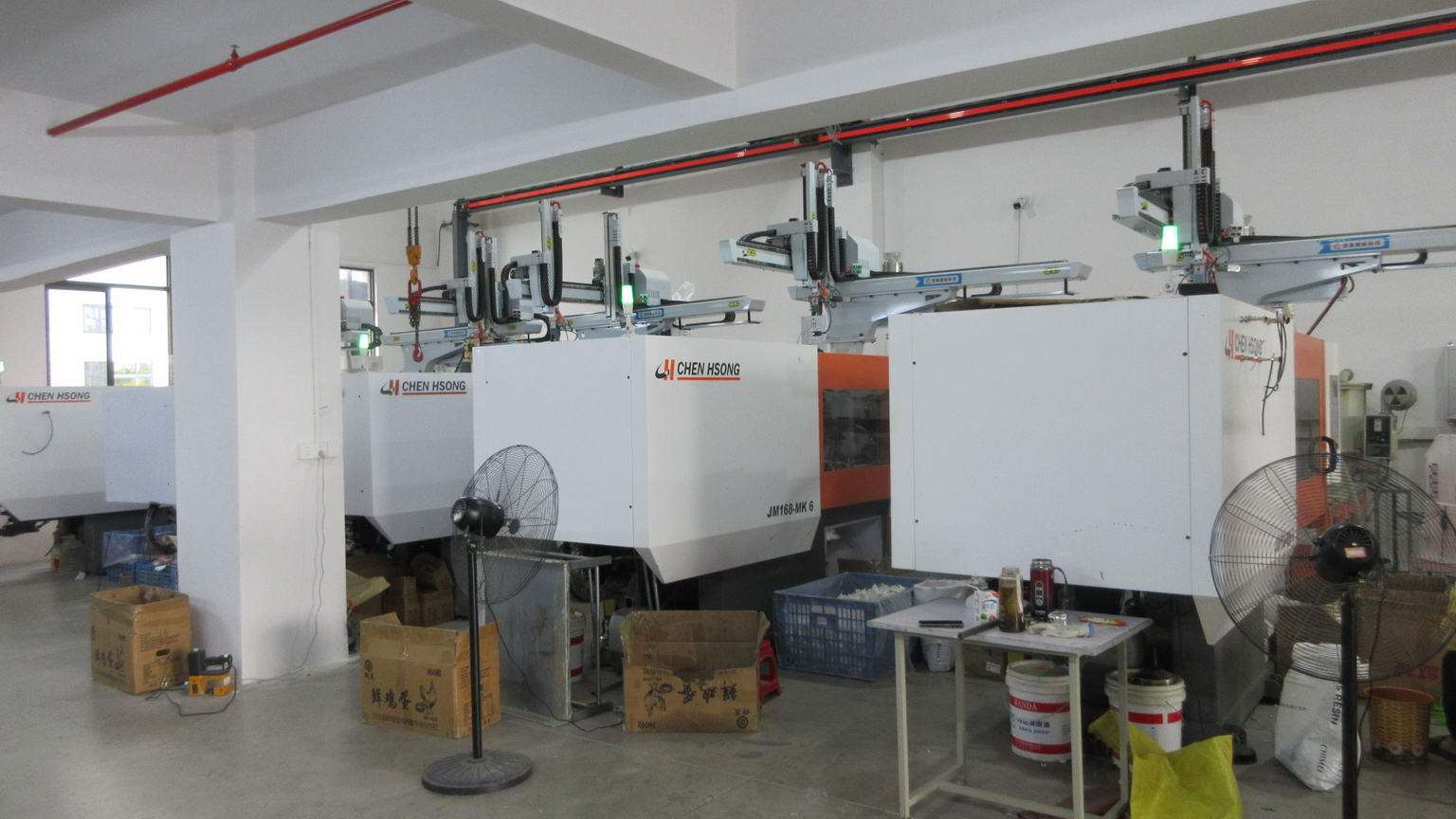
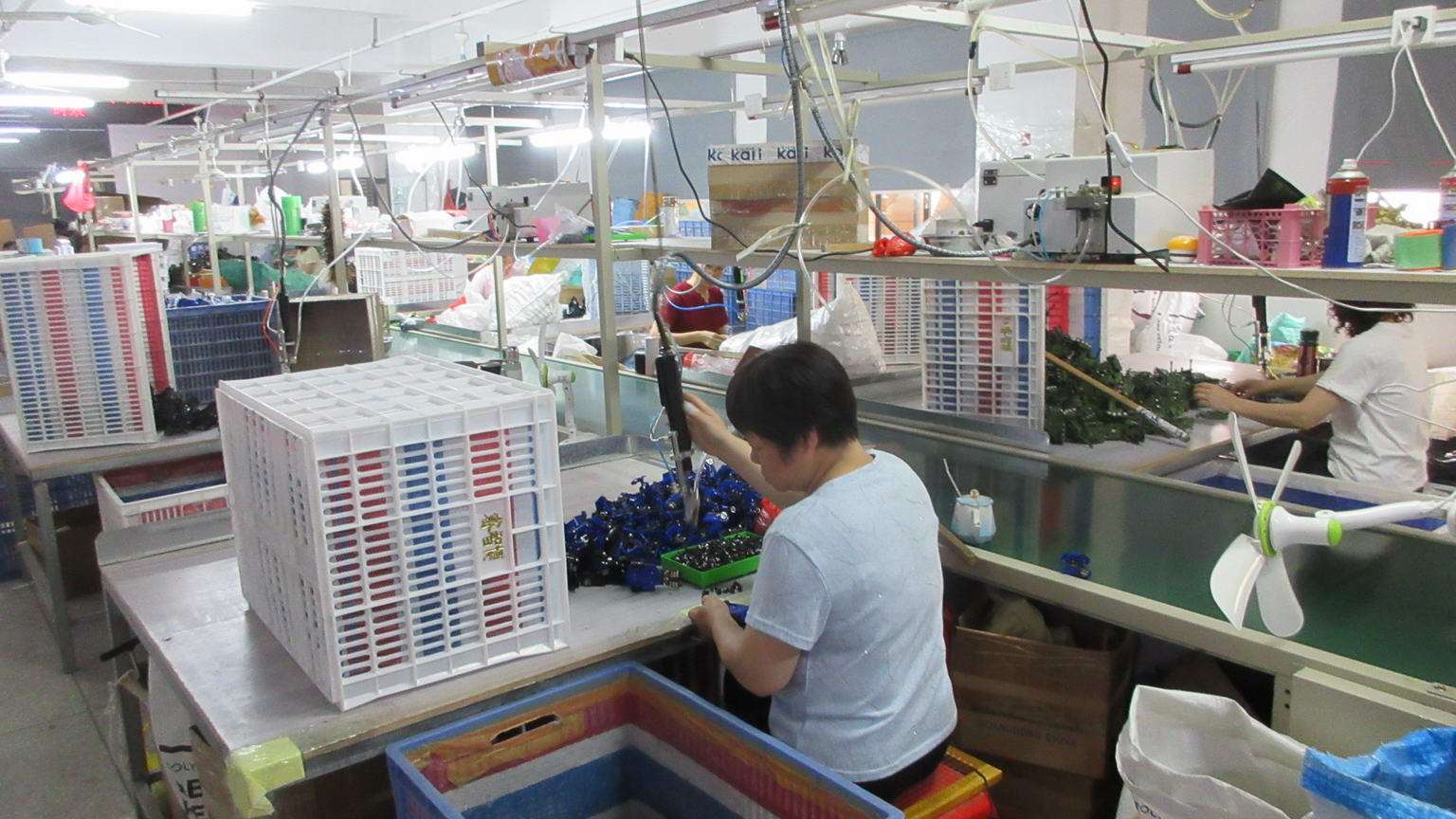
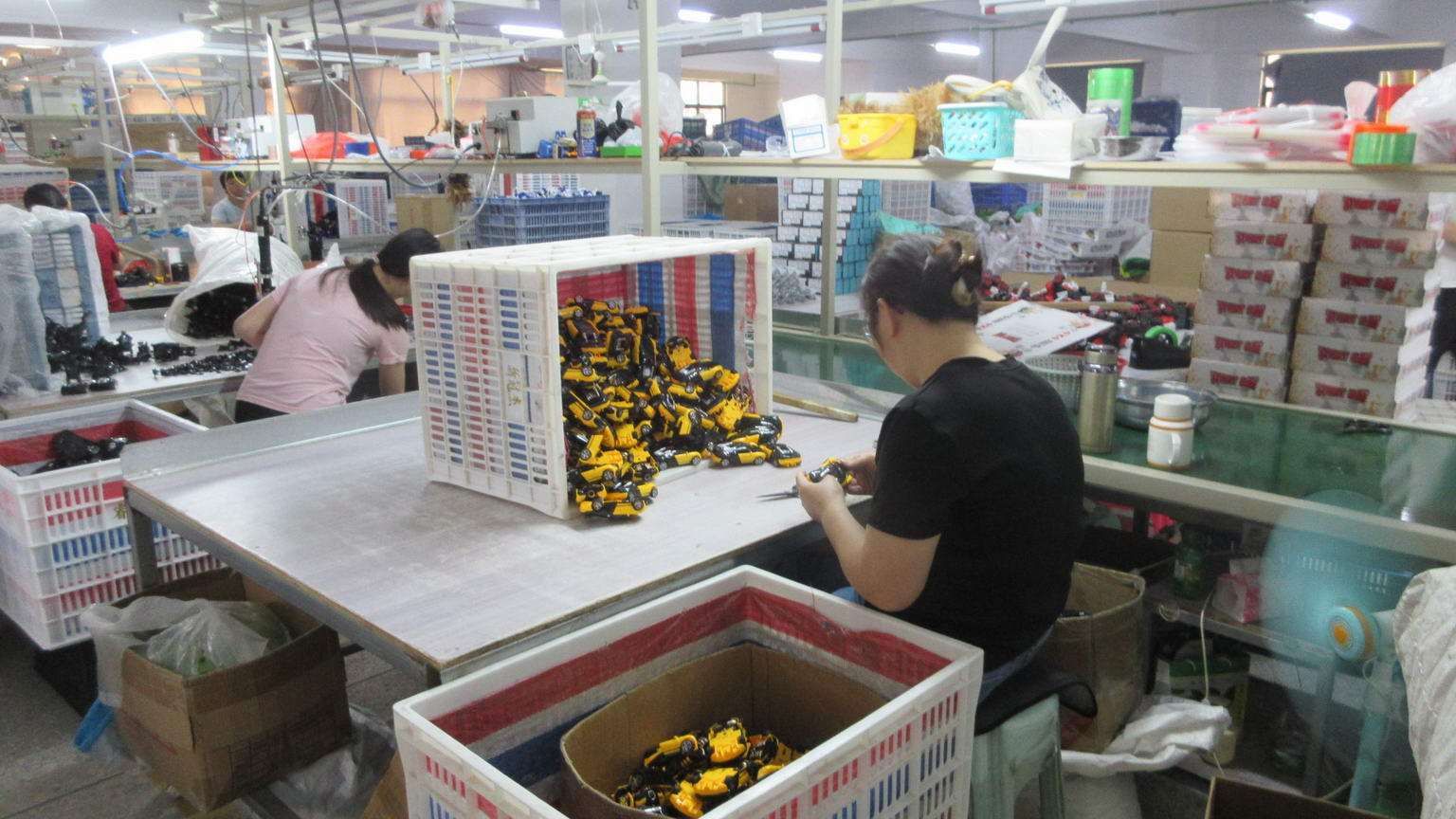
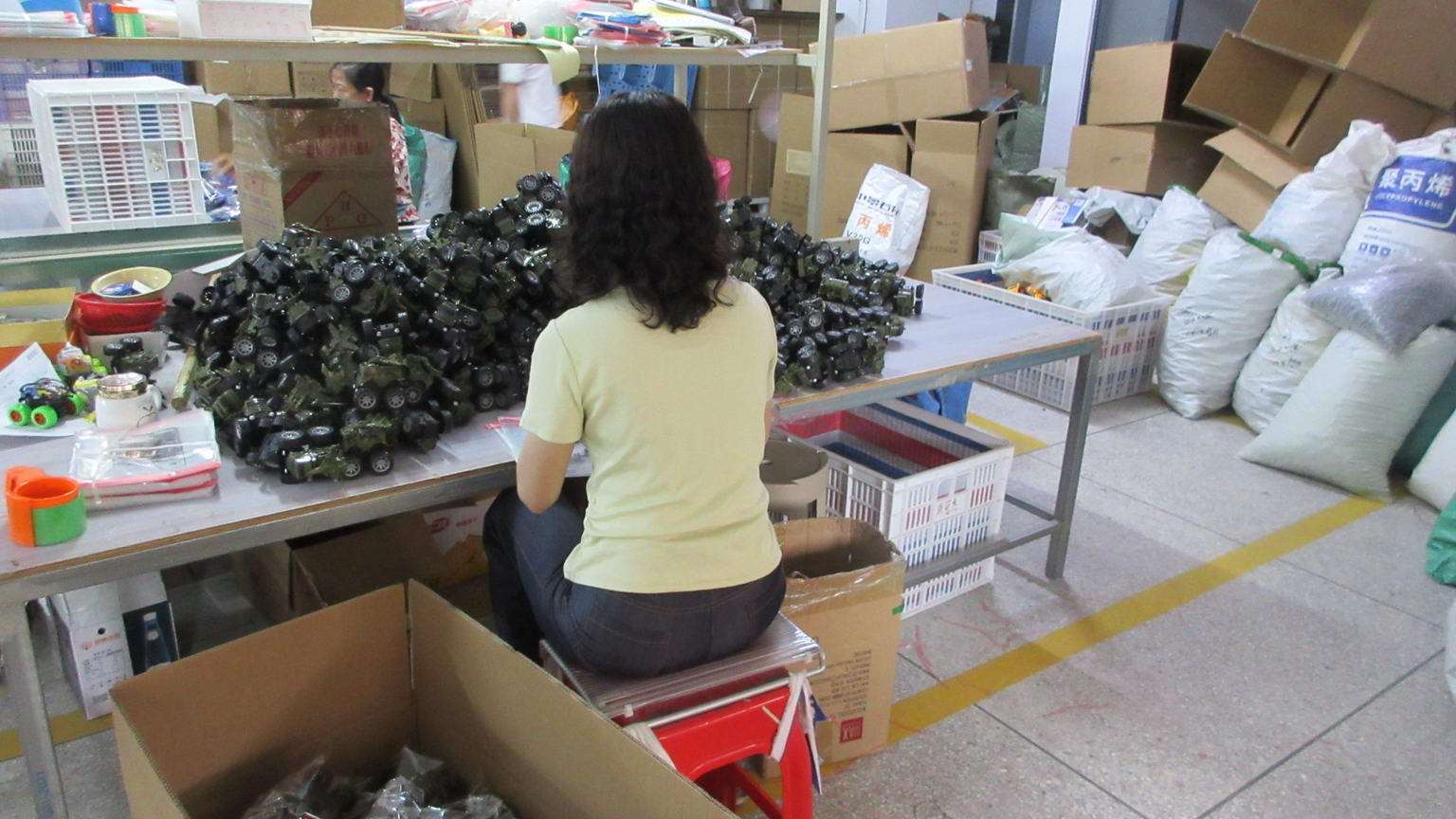
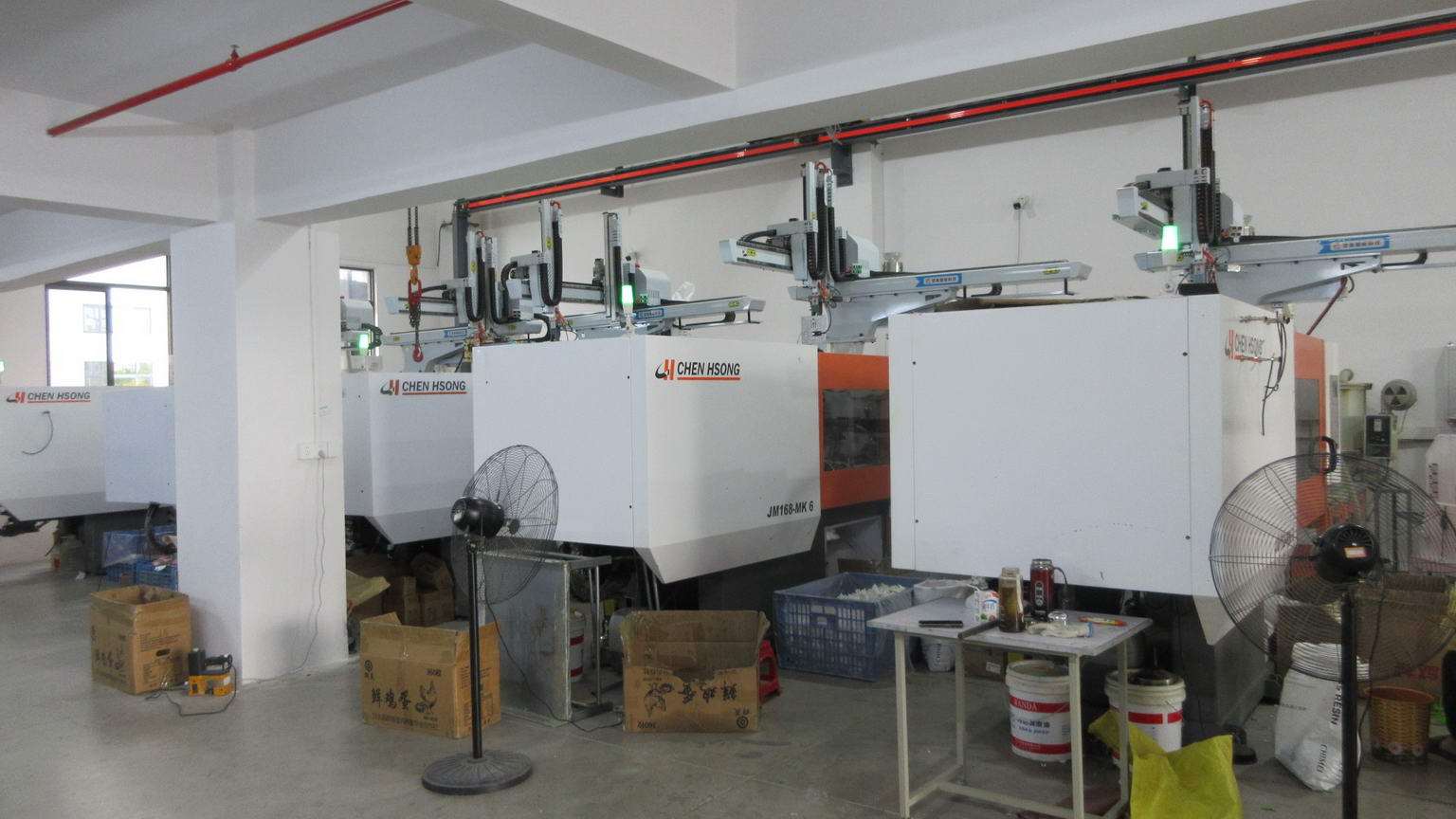
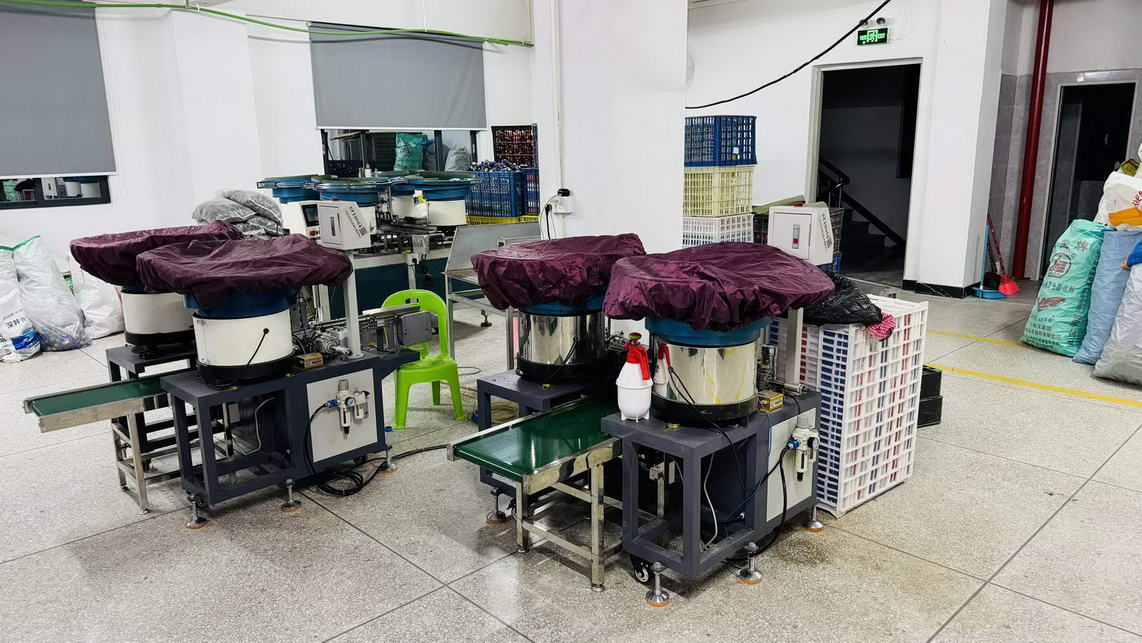
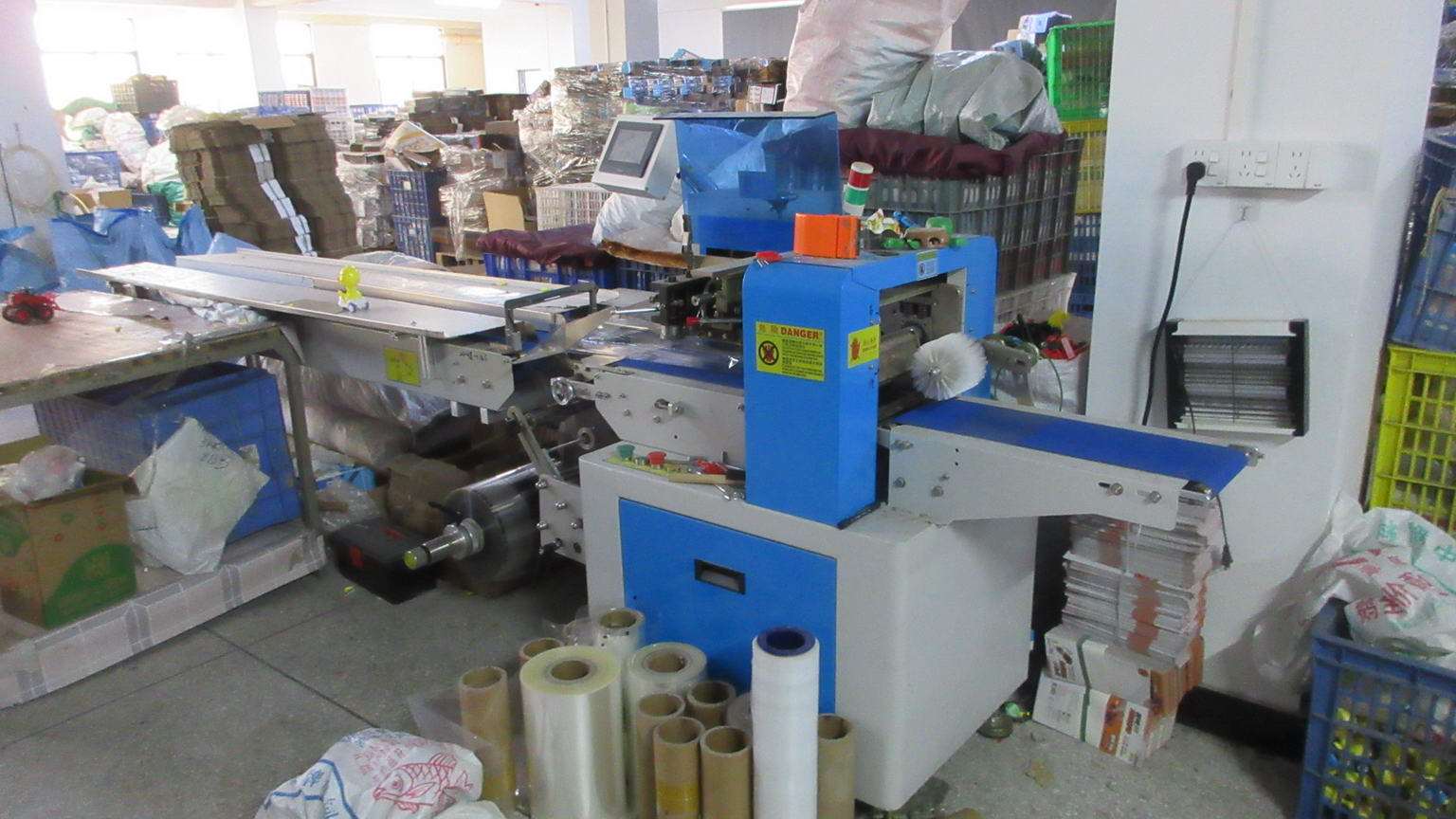
Hoopla’s operations are designed to provide complete transparency for international B2B buyers. The manufacturing flow, detailed in the verified gallery below, shows the structural path from raw materials to final export-ready shipping containers:
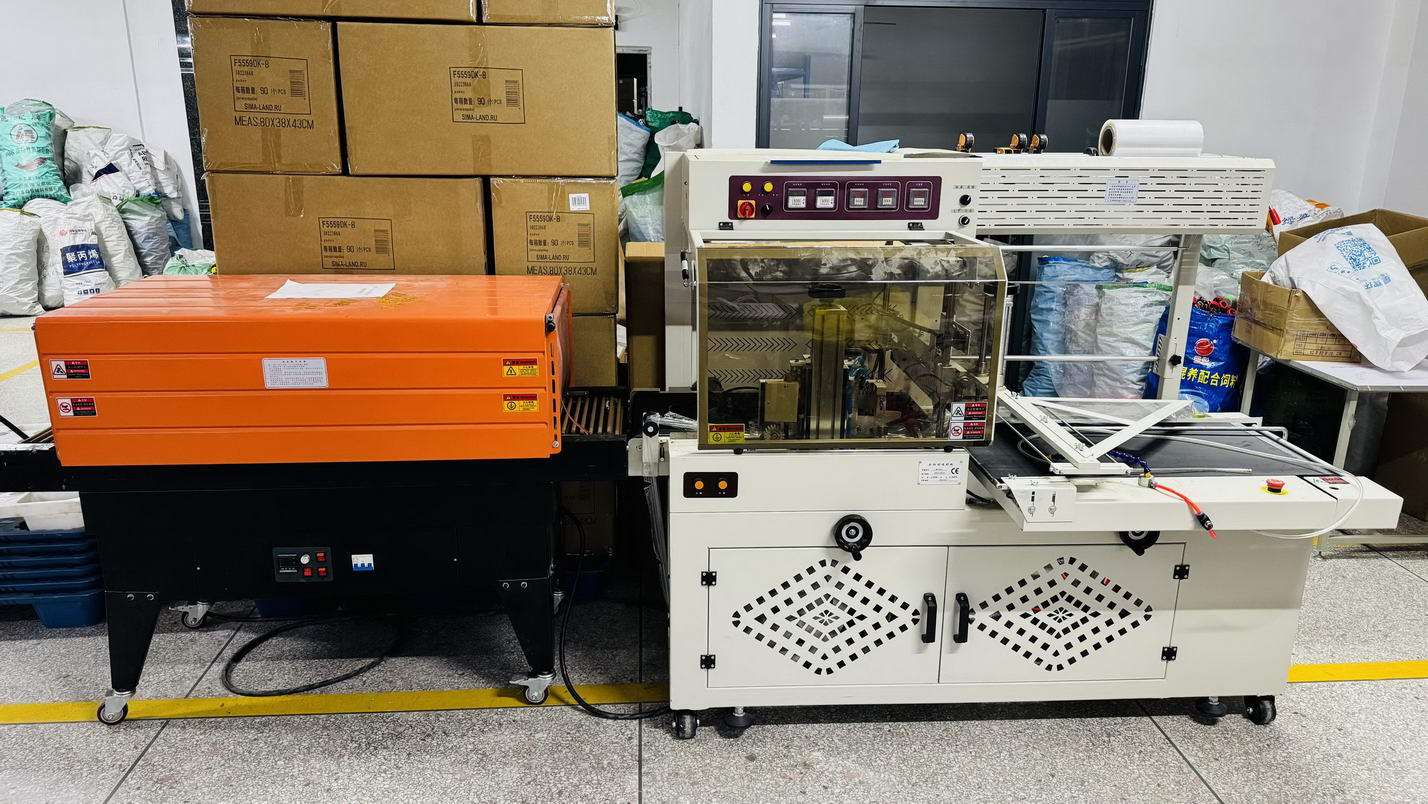
When importing toy products, strict compliance with safety regulations is mandatory to prevent customs rejection, fines, and product recalls. Tier 1 factories maintain complete compliance portfolios:
The pull-back motor relies on basic physics: energy accumulation and controlled release. The core mechanism consists of a flat spiral spring inside a small housing, integrated with a multi-ratio gear train.
When the toy car is pulled backward, the rotation of the driving wheels rotates the gears. This action winds the spiral spring around its central shaft, storing energy as elastic potential energy. Upon release, the spring unwinds, transferring its energy back through the gear train to drive the wheels forward at high speed. Higher-end models feature a clutch mechanism that allows the vehicle to coast smoothly once the spring energy is spent.
For brands planning their product lines for 2025 and beyond, two major design and manufacturing trends stand out:
Explore our selection of specialized educational kits, heavy transport toys, and custom manufacturing parts
 Hoopla Toys