Hoopla Toys
Whitepaper: The Strategic Landscape of Kids Electric Vehicle Sourcing & Manufacture
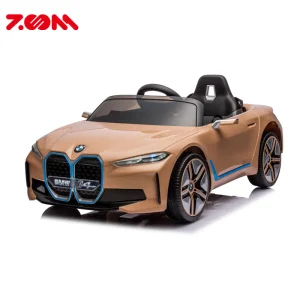
The global kids' electric vehicle (EV) market has evolved from simple battery-powered novelty toys into a highly sophisticated industry sector. Today's commercial toy mobility platforms integrate advanced battery management systems (BMS), high-precision telemetry, multi-channel remote wireless frequencies, and eco-friendly polymers. Sourcing directors, wholesale merchants, and brand owners must navigate complex supply chains, changing safety dynamics, and factory technologies to remain competitive. This whitepaper analyzes these developments, focusing on manufacturing technologies, procurement checklists, and compliance regimes.
1. Global Industry Trends & Technological Innovations
The contemporary ride-on toy market is experiencing a massive tech shift driven by adult automotive developments. Manufacturers are moving away from legacy lead-acid batteries toward lightweight, fast-charging Lithium Iron Phosphate (LiFePO4) and advanced Lithium-Ion batteries. These newer technologies offer triple the cycles, integrated thermal protection, and constant power output without fading over a charge cycle.
Additionally, integration of 2.4GHz parental remote control overrides has become an industry standard. Advanced manufacturers now incorporate Bluetooth-enabled smartphone applications, variable-speed brushless electric motors, soft-start acceleration profiles to prevent neck strain, and digital audio dashboards. Sourcing partners are prioritizing smart features like built-in GPS trackers and smart collision sensors for premium models.
2. Global Sourcing Dynamics & Procurement Demands
B2B procurement agents for major toy retailers, supermarkets, and specialty e-commerce stores face significant challenges regarding supply chain visibility, product reliability, and regulatory compliance. When sourcing high-volume container shipments of electric ride-on toys, purchasers evaluate factories based on three primary criteria:
- Direct Cost vs. Safety Trade-Offs: Reducing manufacturing costs must not compromise the safety of electrical wiring, charger quality, or plastic structural integrity. Low-grade chargers or non-flame-retardant plastics represent significant liability risks for retailers.
- Customization Capabilities (OEM/ODM): Global importers frequently require modifications to meet local demands. This includes custom brand licensing (e.g., licensed Audi, Mercedes, or Ford models), bespoke packaging artwork, localized electrical wall adapters, and specific battery capacity limits to comply with air or sea freight regulations.
- Supply Chain Transparency: Importers must verify where raw chemicals, copper wiring, gears, and batteries are sourced to prevent components from failing third-party customs lab tests.
"Procuring electric ride-on toys is not merely about finding the lowest FOB price. True cost efficiency lies in finding a manufacturer that offers complete traceability of its battery supply chain, possesses licensed mold-making rights, and maintains rigorous testing standards."
3. China Factory 4.0: Supply Chain Resilience & Efficiency
As the epicenter of the global toy manufacturing industry, China's modern factories have transitioned to the Factory 4.0 framework. This transition leverages advanced automation, computerized injection molding, and digital quality monitoring to maintain a resilient supply chain that reduces human error and lowers production costs.
Shanghai Hoopla Toys Co., Ltd. demonstrates these manufacturing strategies. Located in Shanghai with a highly automated manufacturing facility inland, Hoopla Toys combines international logistics access with low-cost domestic manufacturing. This setup enables efficient raw material sourcing and scale production.
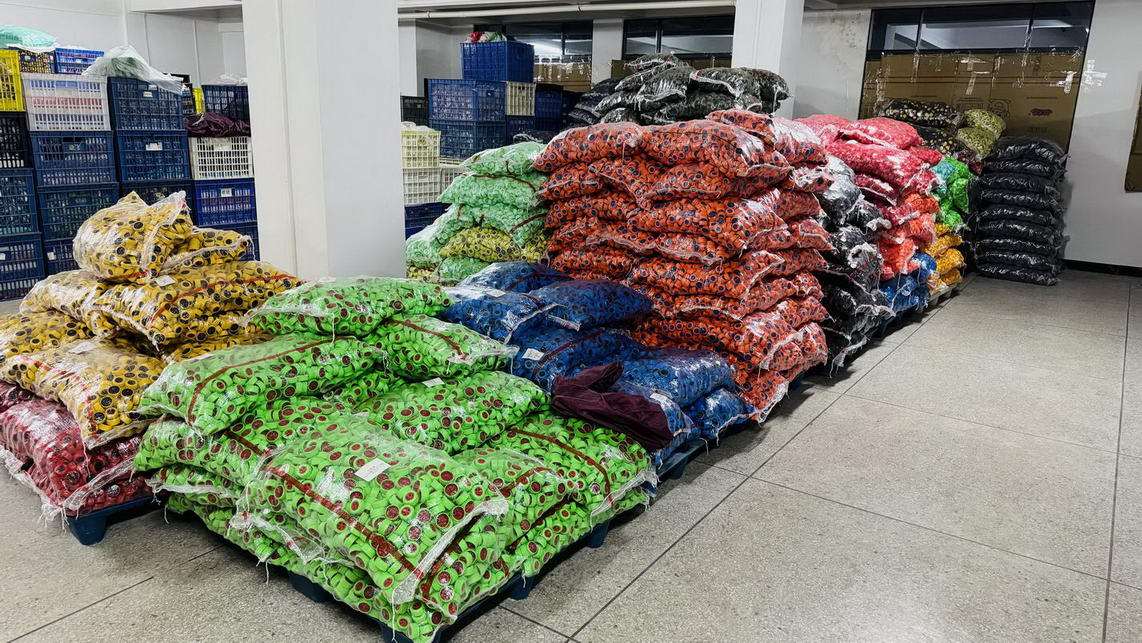
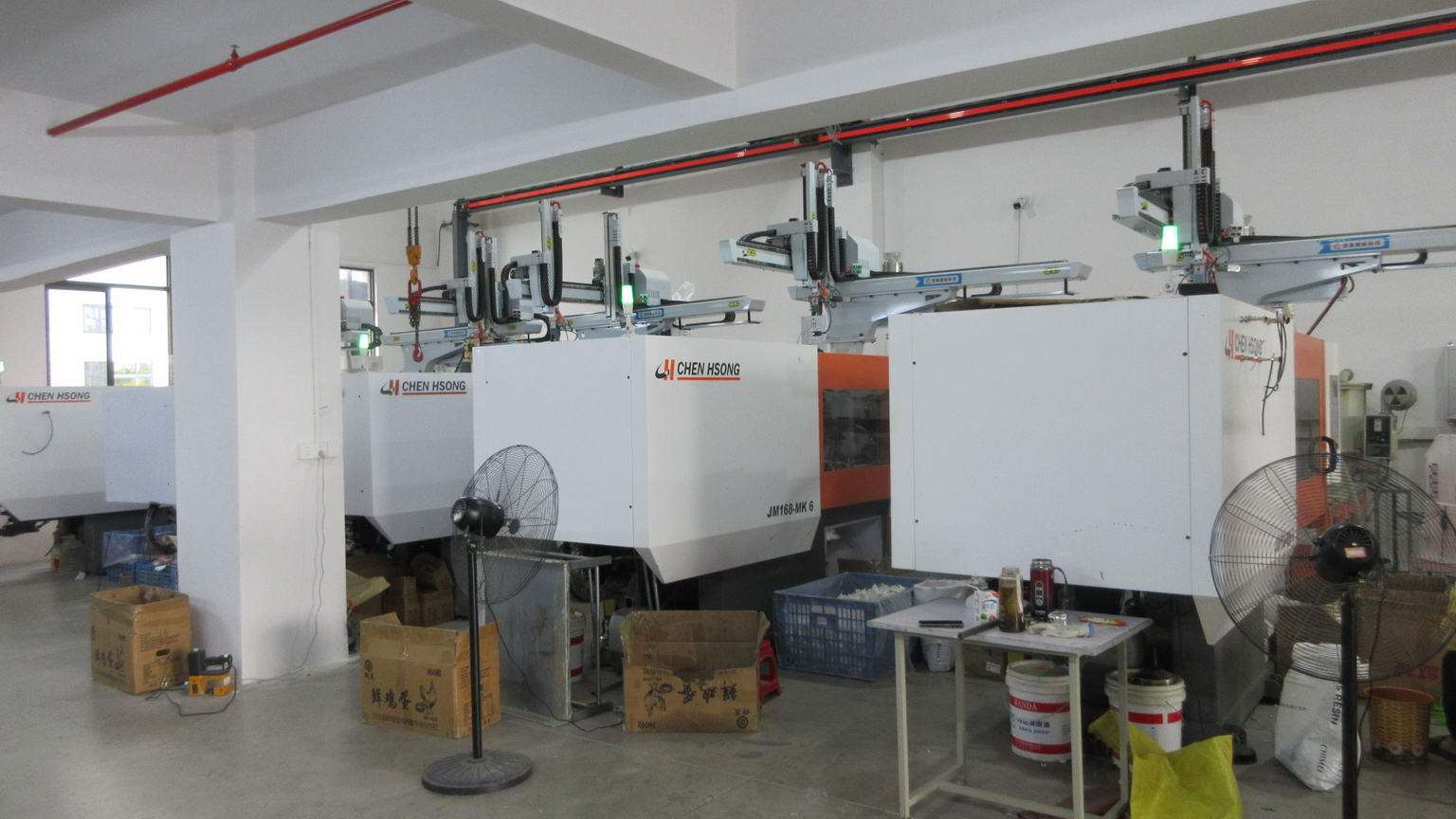
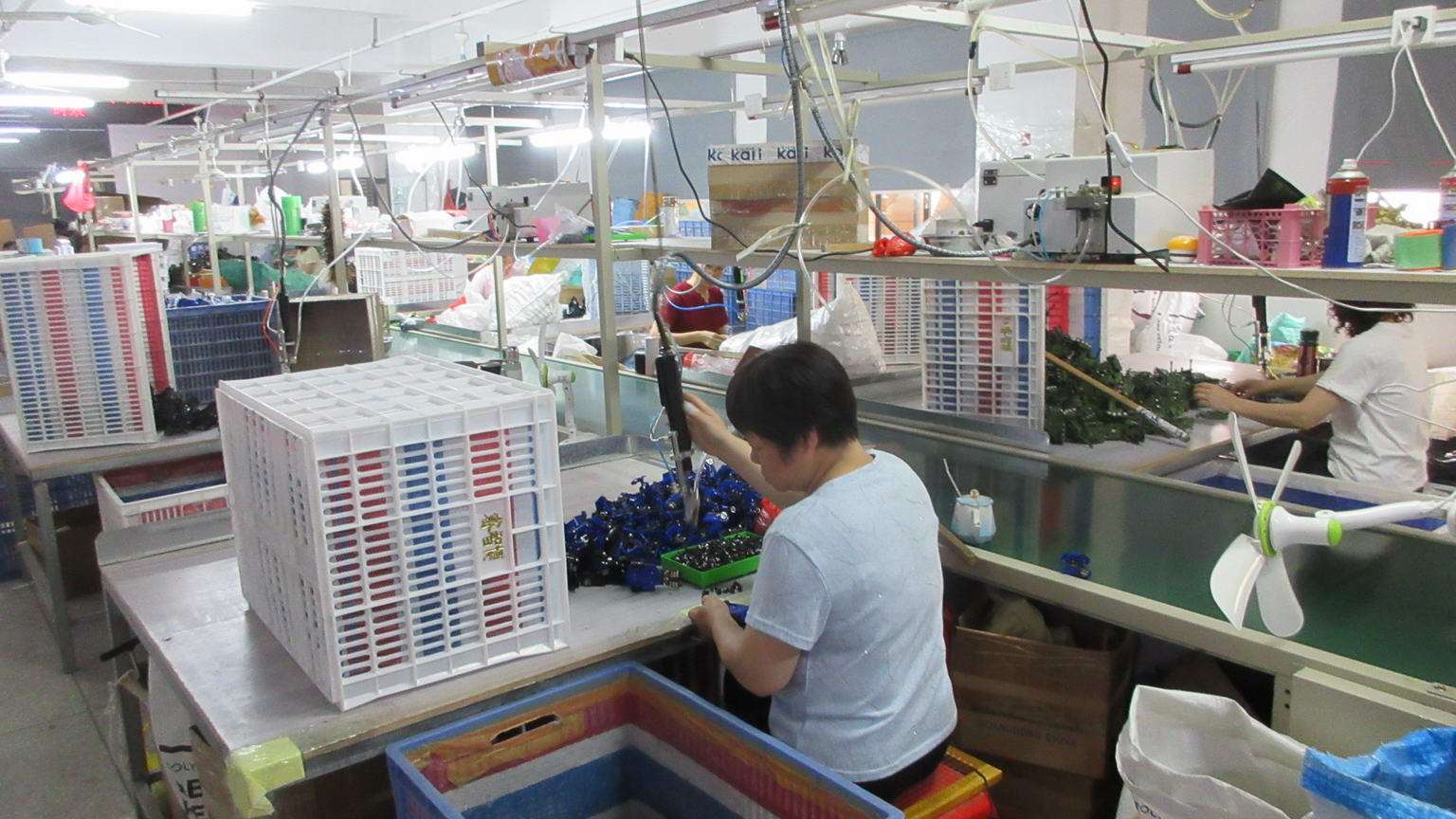
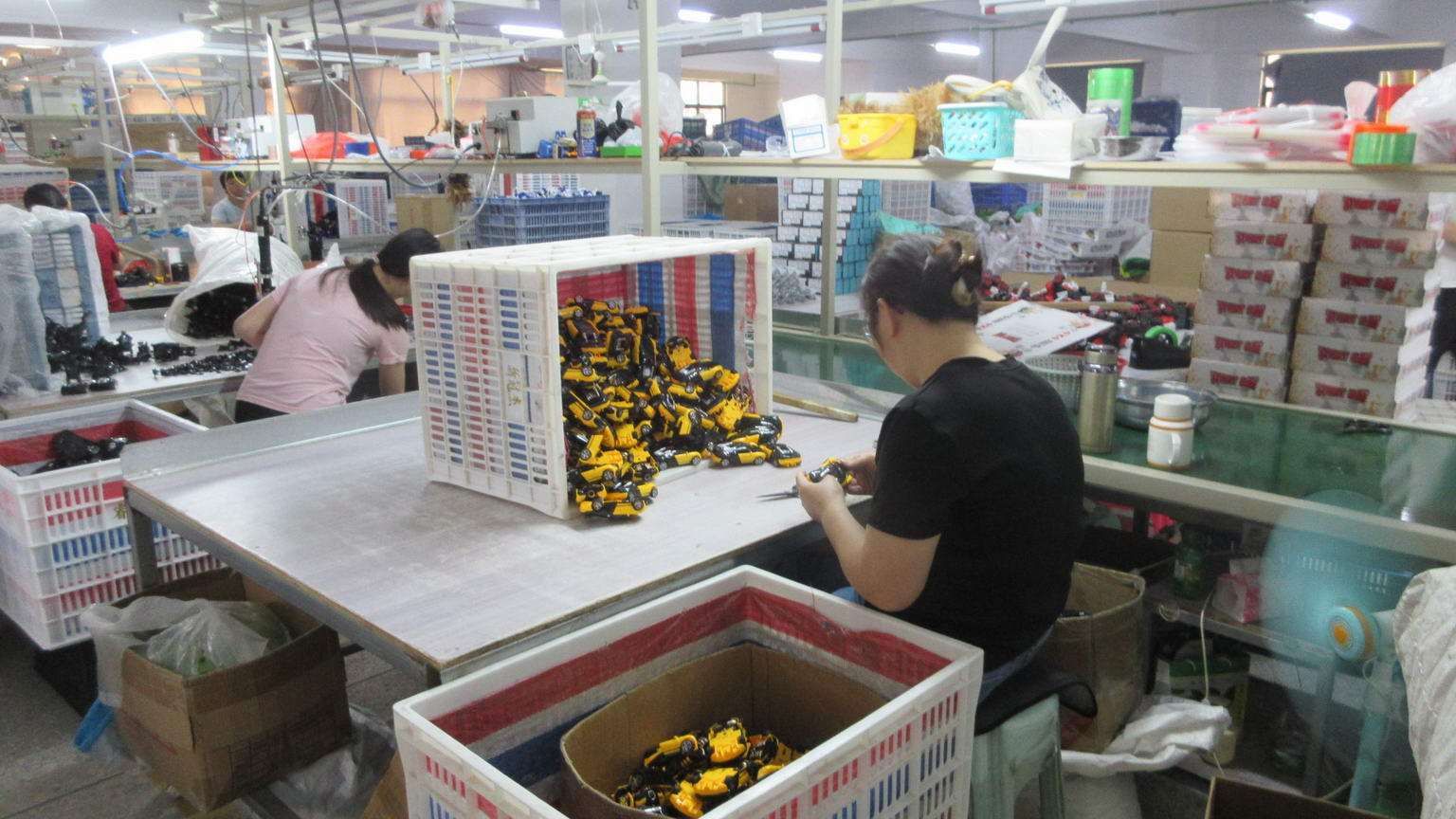
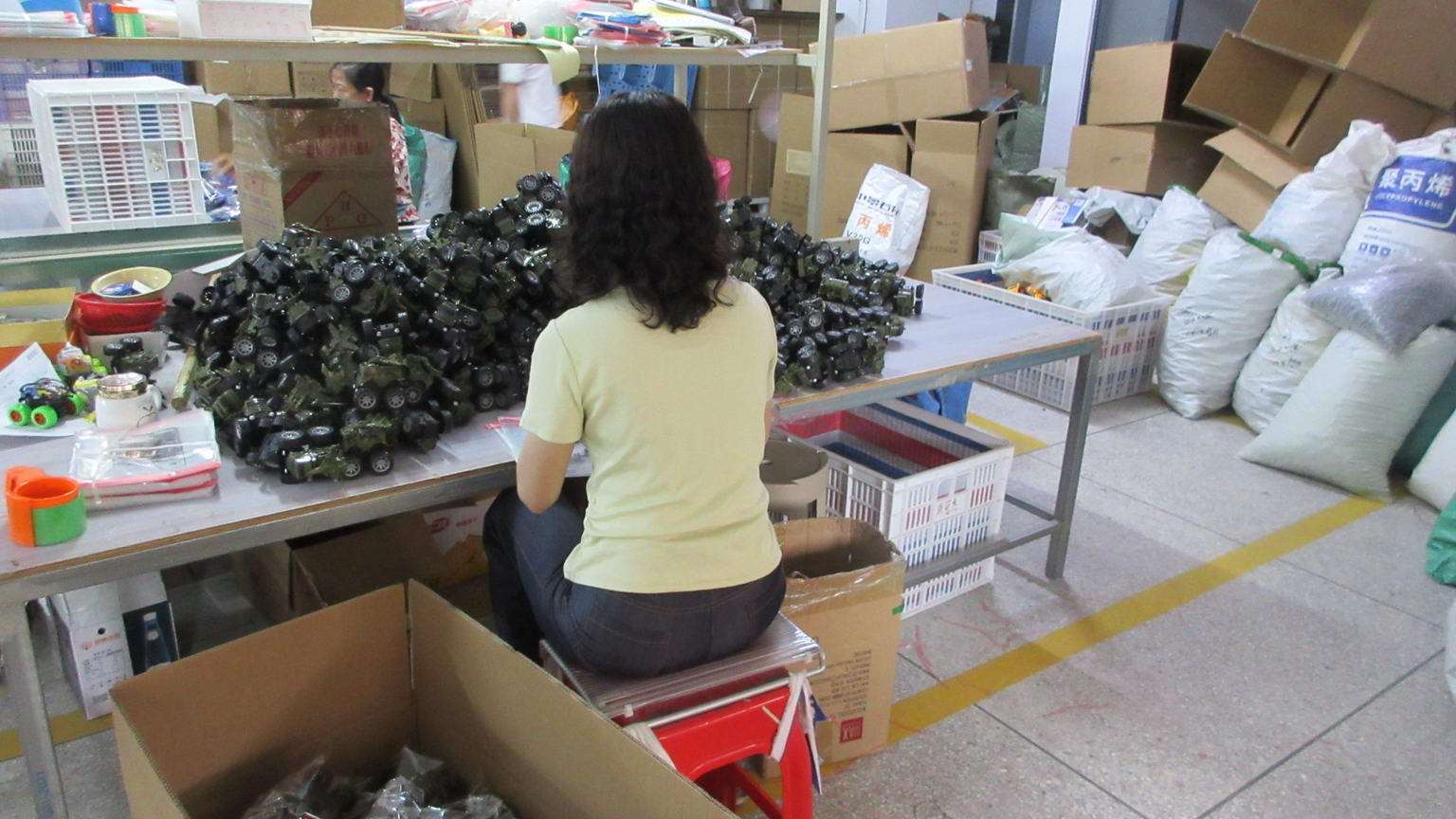
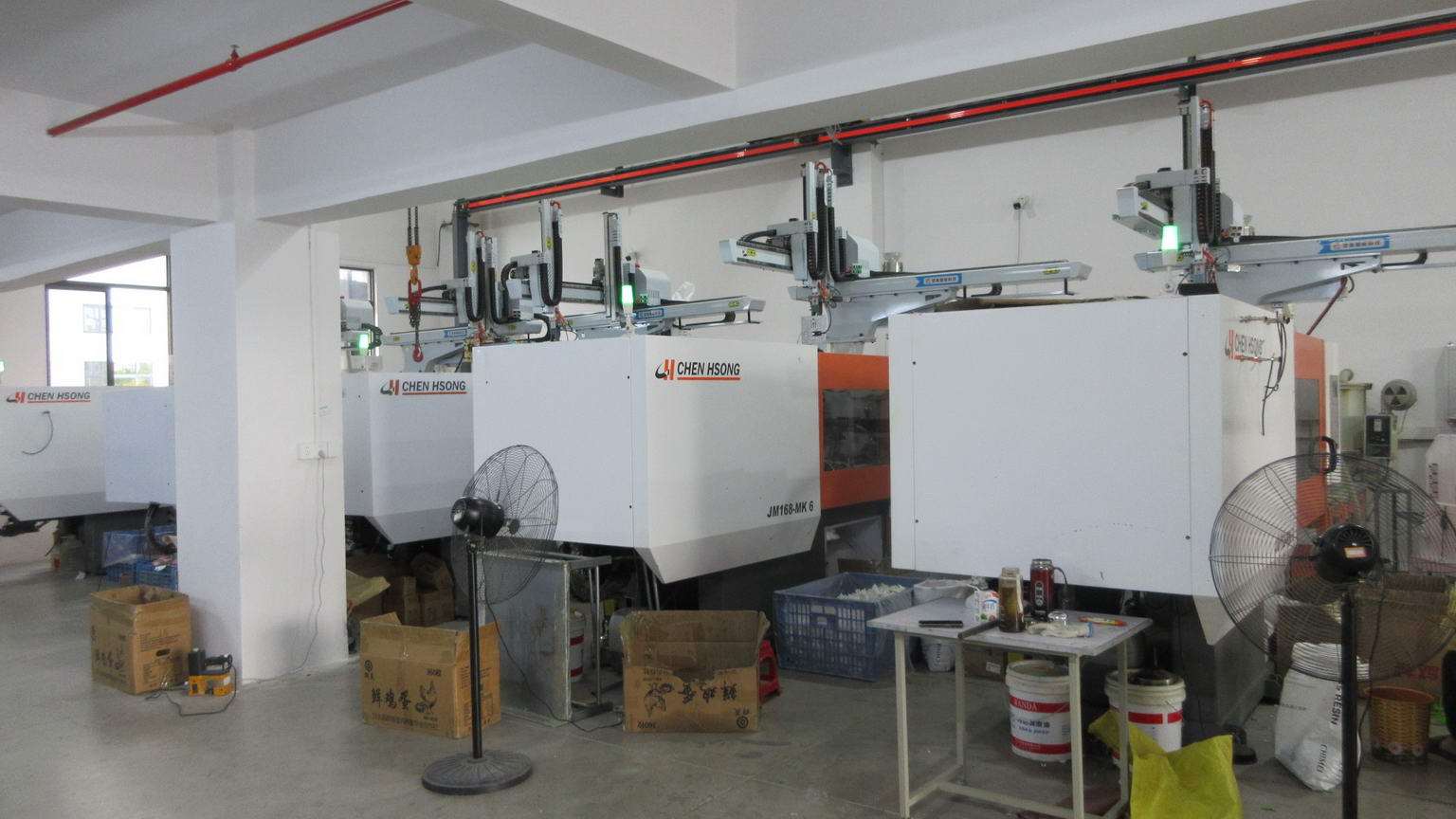
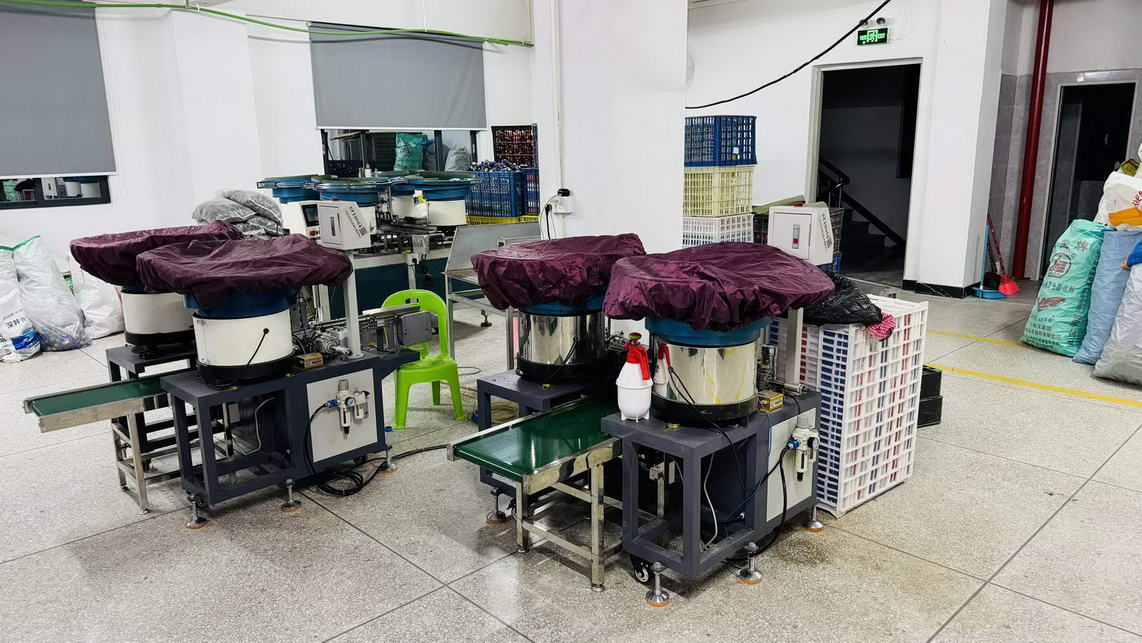
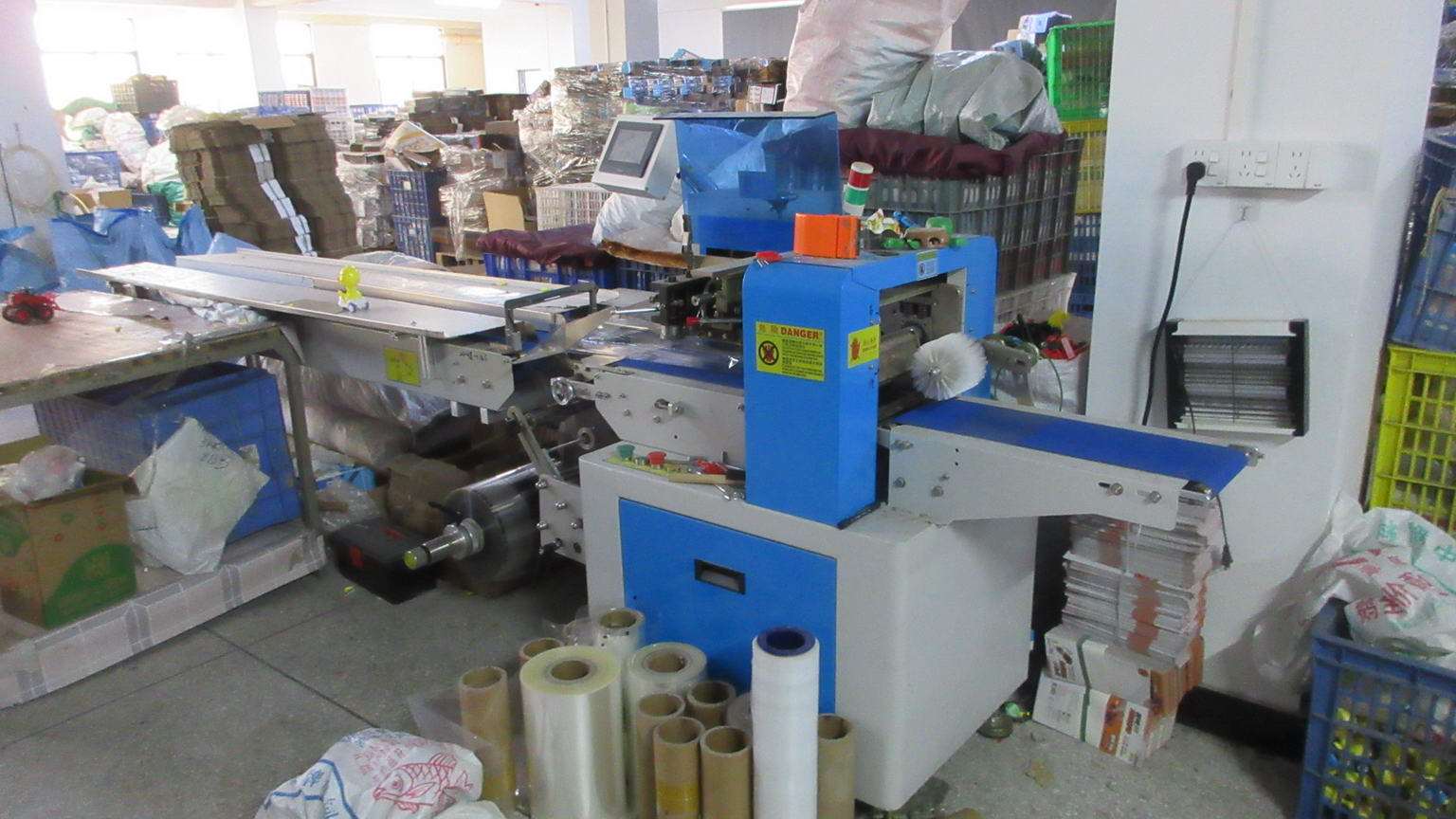
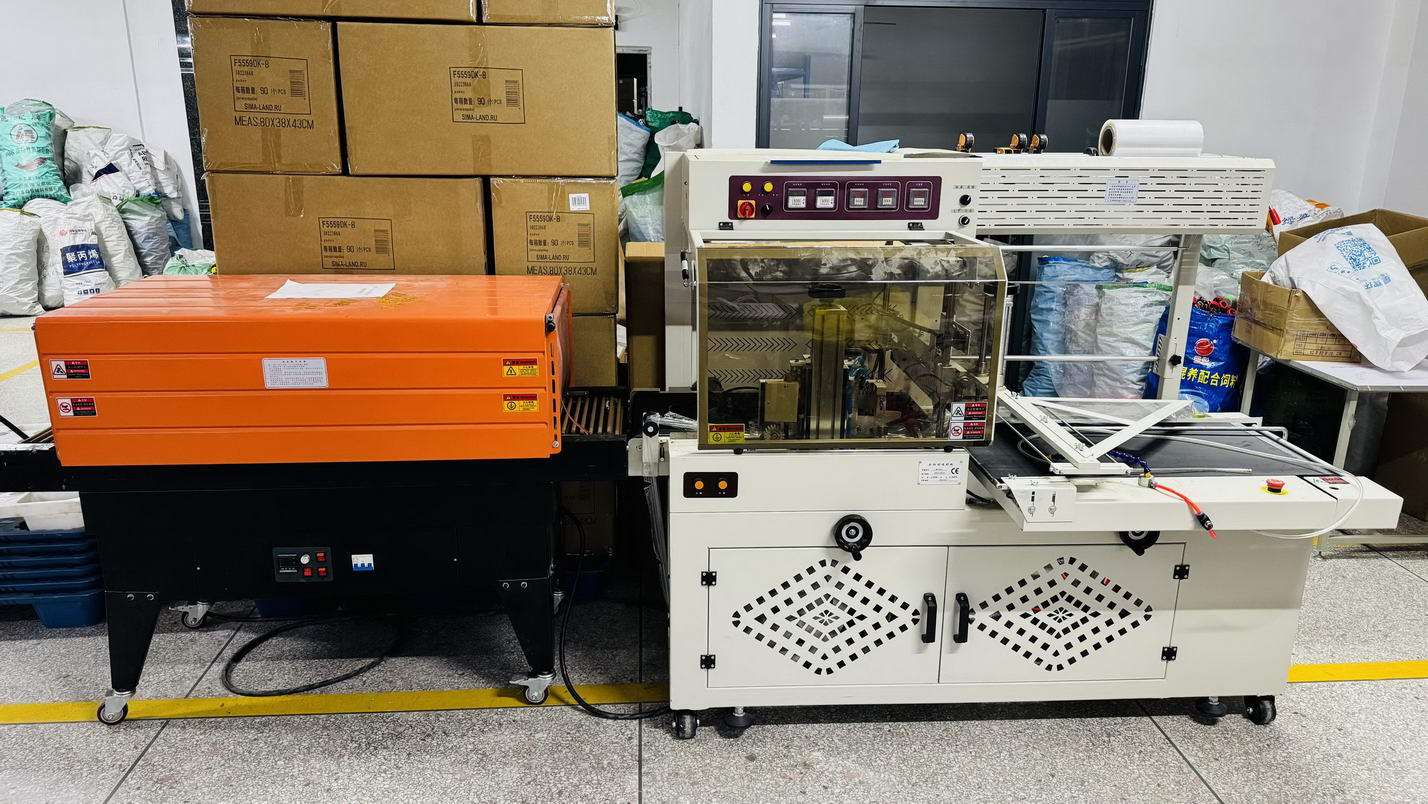
Our manufacturing facility features advanced injection molding machinery, automated gear installation presses, and smart aging chambers for testing batteries. This level of automation keeps product dimensions precise and helps stabilize costs during periods of shifting raw material and energy prices.
4. Factory Production Process & Technical Capabilities
Our factory processes conform to international standards to ensure product longevity. The step-by-step production flow leverages advanced equipment and quality checkpoints:
5. Regulatory Compliance & Global Safety Standards
A primary challenge when exporting kids' electric cars is navigating the strict regional safety standards. Failing to meet these rules can lead to expensive customs holds, fines, or product recalls. A reliable manufacturer must guarantee and prove third-party laboratory verification for these essential standards:
6. Localized Application Scenarios & Demographic Customization
Global demand varies depending on regional residential and environmental factors. Recognizing these trends helps importers optimize their product selections for their target markets:
- Urban & Apartment Dwellers: In high-density cities in Western Europe and parts of Asia, consumers favor lightweight, smaller footprint cars with easy-carry handles. Soft EVA rubber tires are preferred for quiet operation on indoor hardwood floors.
- Suburban Outdoor Markets: In North America and Australia, large yards and community parks drive the demand for 24V twin-motor vehicles. These models feature rugged off-road tires, high suspension travel, and long-range batteries suitable for grass and gravel terrain.
- Commercial Sourcing: Amusement parks, indoor play spaces, and shopping malls purchase heavy-duty vehicles with reinforced chassis, quick-change battery compartments, coin-operated start switches, or remote activation control setups.