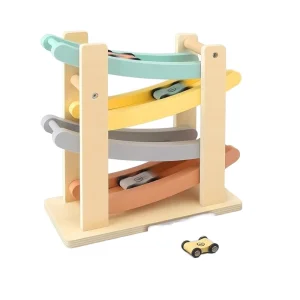
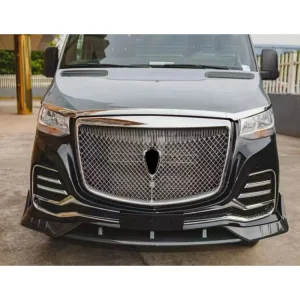
Explore premium product designs configured for massive consumer markets, featuring structural components, advanced die-casts, and interactive electronic configurations.
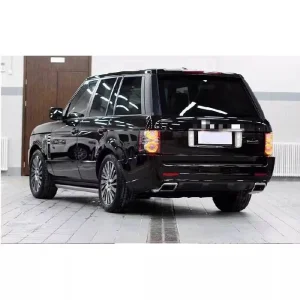
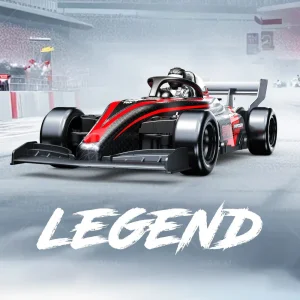
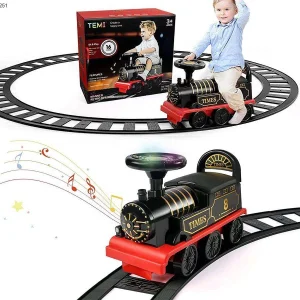
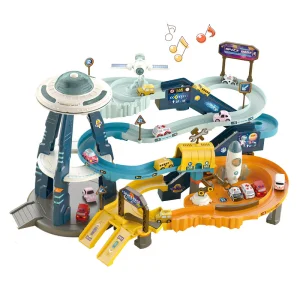
The global juvenile mobility market is undergoing an unprecedented technological and structural evolution. No longer categorized simply as toy novelties, modern electric ride-on vehicles represent complex micro-automotive systems featuring advanced powertrain engineering, safety telemetry, and integrated software. As consumers seek hyper-realistic, durable, and structurally sound products, the burden on global importers to select verified, high-caliber manufacturing facilities has intensified.
This industry analysis delivers the foundational data and operational context required by institutional buyers, sourcing directors, and retail chains to evaluate electric ride-on vehicle factories and exporters. Through the lens of product quality, safety compliance, technological evolution, and logistics infrastructure, we analyze the variables that differentiate tier-one manufacturing partners from regional processors.
The global electric ride-on toy market has grown remarkably, driven by expanding middle-class disposable income, structural urbanism, and the rise of miniature electric vehicle licensing. Research indicates that the sector is expanding at a robust Compound Annual Growth Rate (CAGR) of 12.4%, pointing to a multi-billion dollar valuation by the turn of the decade.
Historically concentrated in North American and Western European retail markets, consumer demand is rapidly accelerating in the Asia-Pacific region, Latin America, and the GCC countries. Regional micro-trends show a strong preference for licensed scale replicas of automotive giants such as Land Rover, Mercedes-Benz, and Ford, as well as customized off-road utility task vehicles (UTVs) engineered for variable terrain. From a supply perspective, East Asia, and specifically China's industrial zones, remains the dominant hub of engineering excellence and volume capability, supplying over 80% of the world's exported units.
The engineering profile of children's electric ride-on vehicles has transitioned from simple, brushed motor setups to sophisticated integration layouts. Key technological vectors currently shaping the factory floors include:
Transitioning from old lead-acid chemistry to high-performance Lithium-ion and LiFePO4 cells to ensure extended runtime, lower weight metrics, and rapid charge cycles.
Integrating microcontrollers supporting 2.4G frequency hopping, smartphone app pairing, parental speed governors, and software-defined audio output.
Replacing monolithic frames with modular, impact-resistant ABS/PP plastics coupled with carbon steel load-bearing structures to maximize container space utilization.
B2B procurement agents seeking a reliable manufacturing partner must evaluate factories beyond unit cost. A robust verification framework includes the following essential dimensions:
A premier manufacturer and exporter of premium children's ride-on toys in China, blending innovative design capabilities with efficient production.
Headquartered in the vibrant, modern metropolis of Shanghai, Shanghai Hoopla Toys Co., Ltd. operates a high-tech manufacturing facility strategically located inland. This geographical configuration combines world-class design, export logistics management, and engineering talent in Shanghai with highly cost-effective, large-scale production inland.
As a dynamic and rapidly growing enterprise, Hoopla Toys prioritizes product quality, structural design integrity, and long-term B2B partnerships. The company's core mission is to innovate and develop high-quality, engaging, and durable ride-on toys at highly competitive price points, ensuring robust retail margins and consumer satisfaction for global distributors, wholesalers, and sourcing partners.
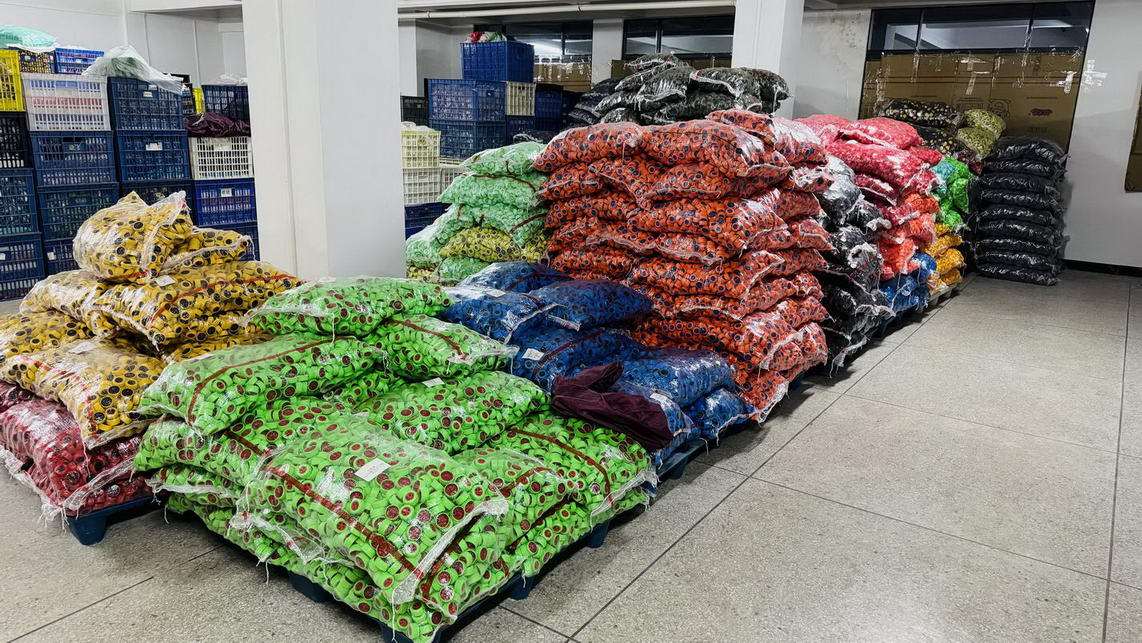
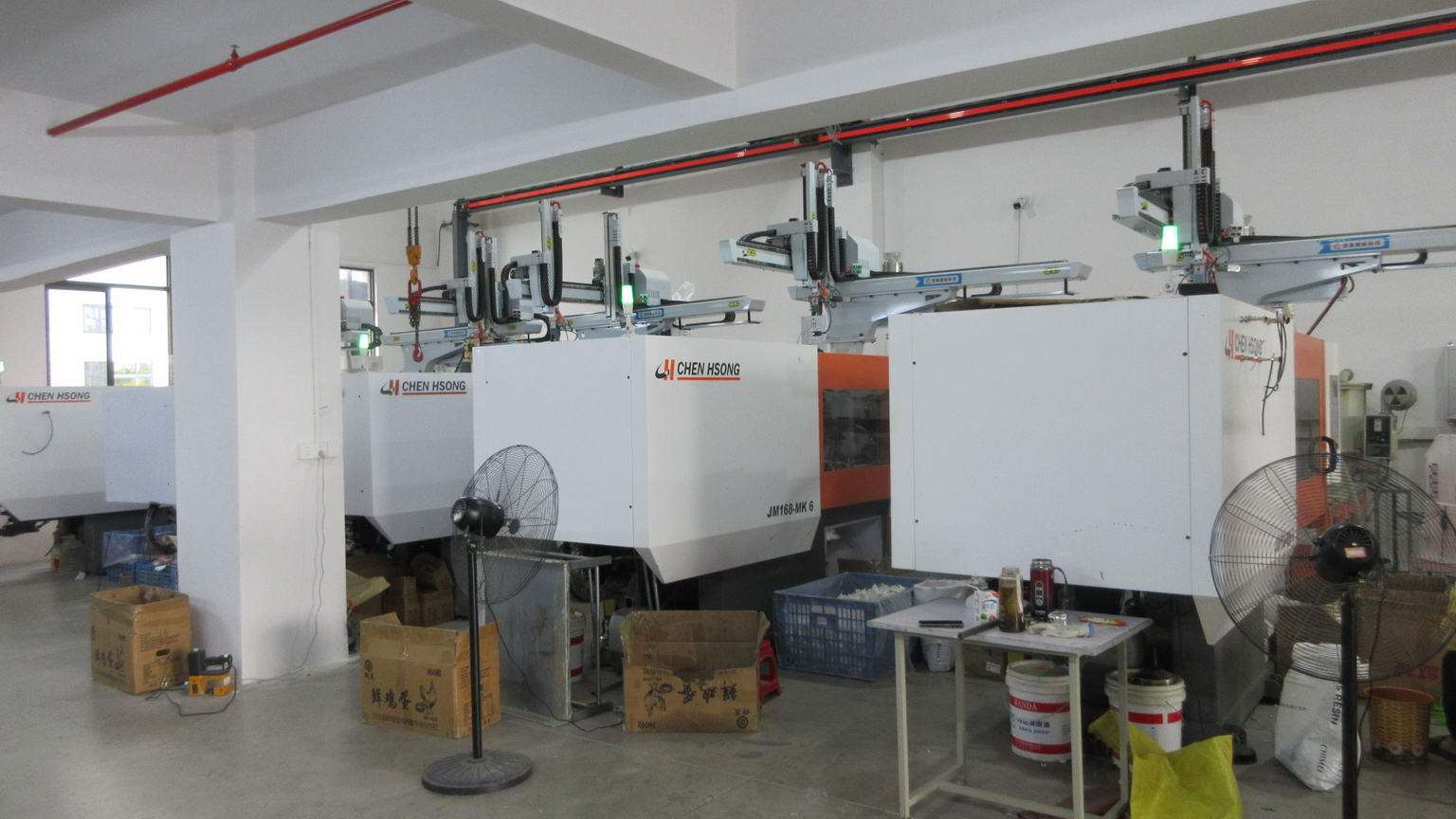
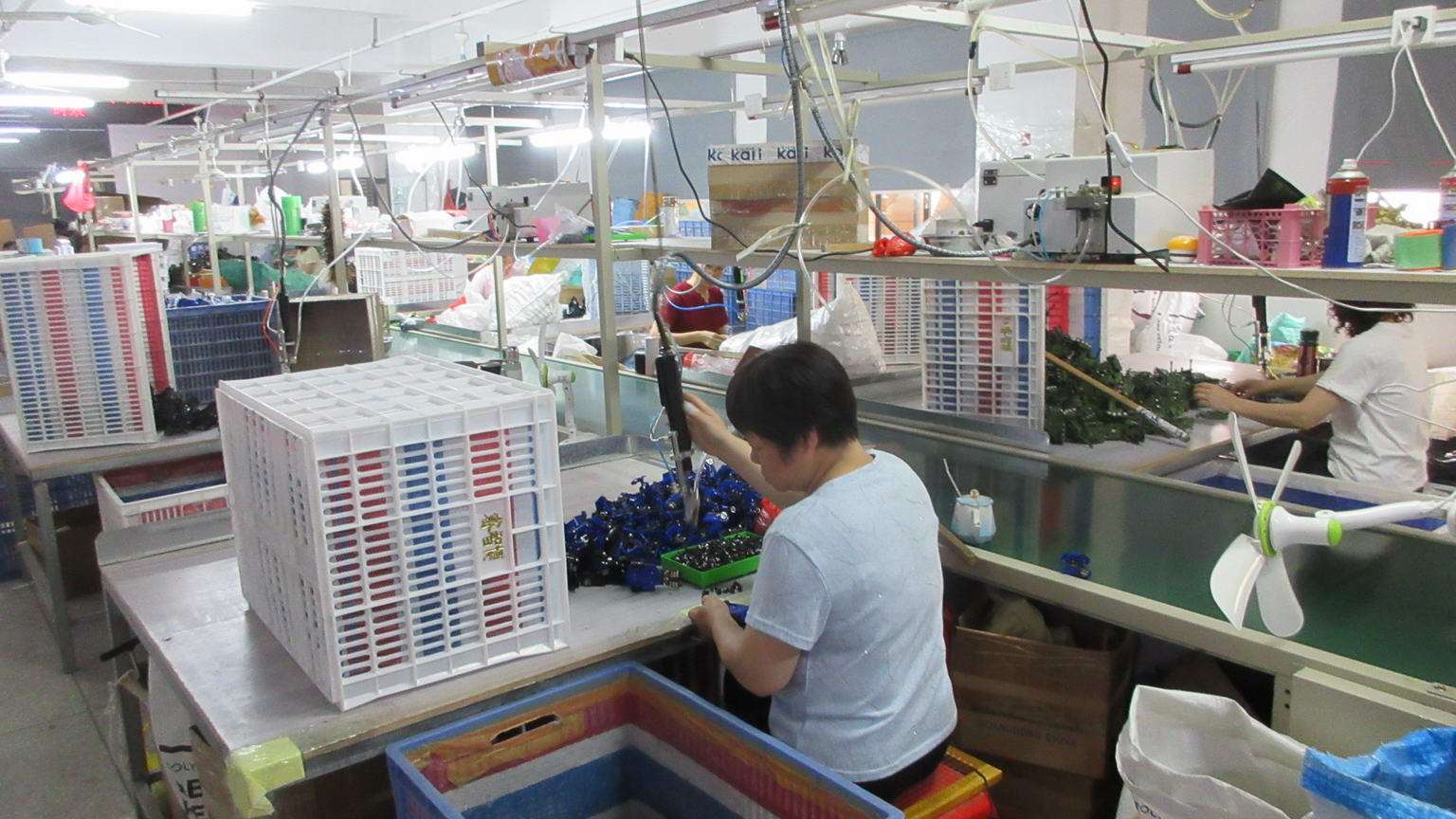
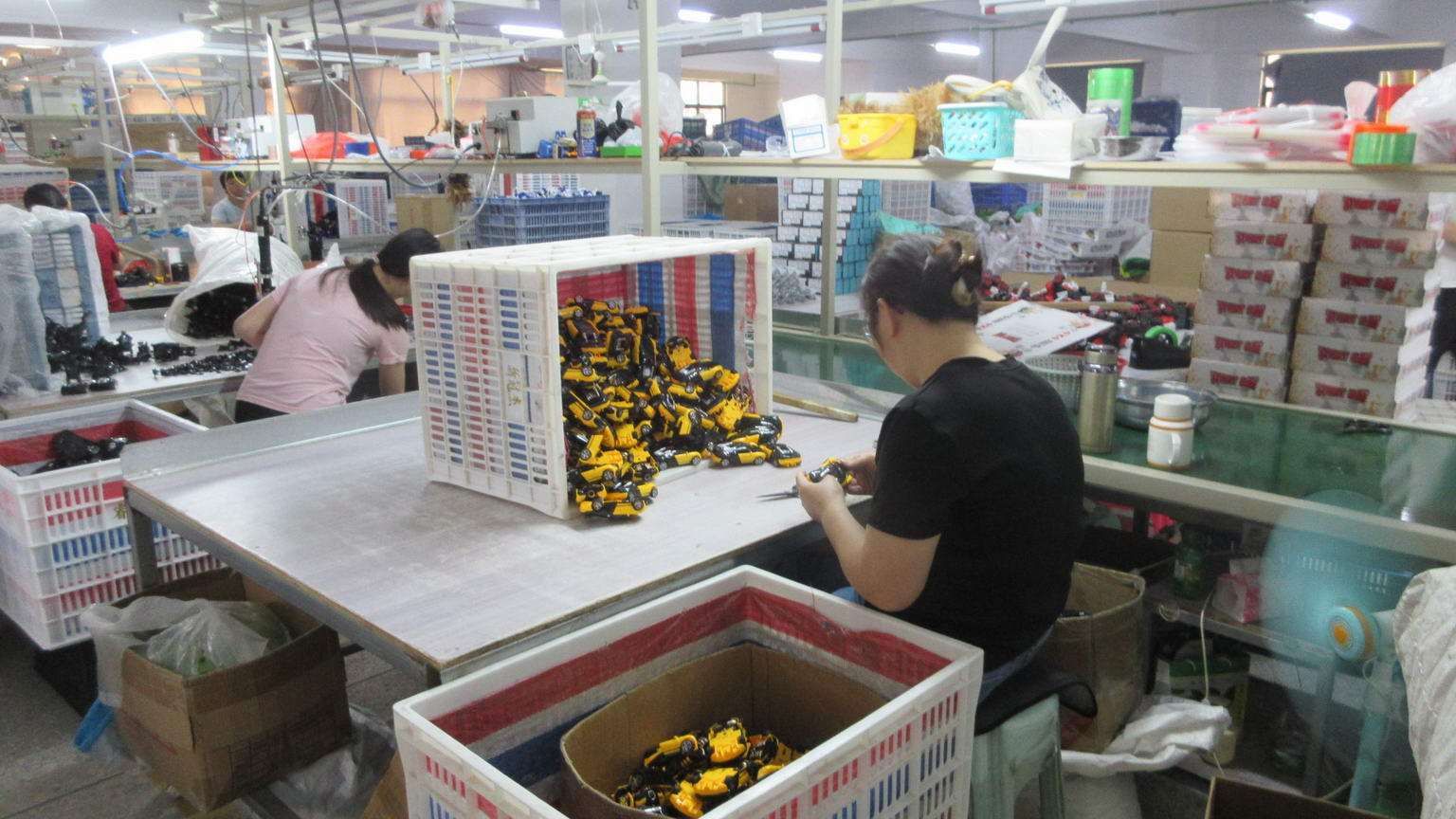
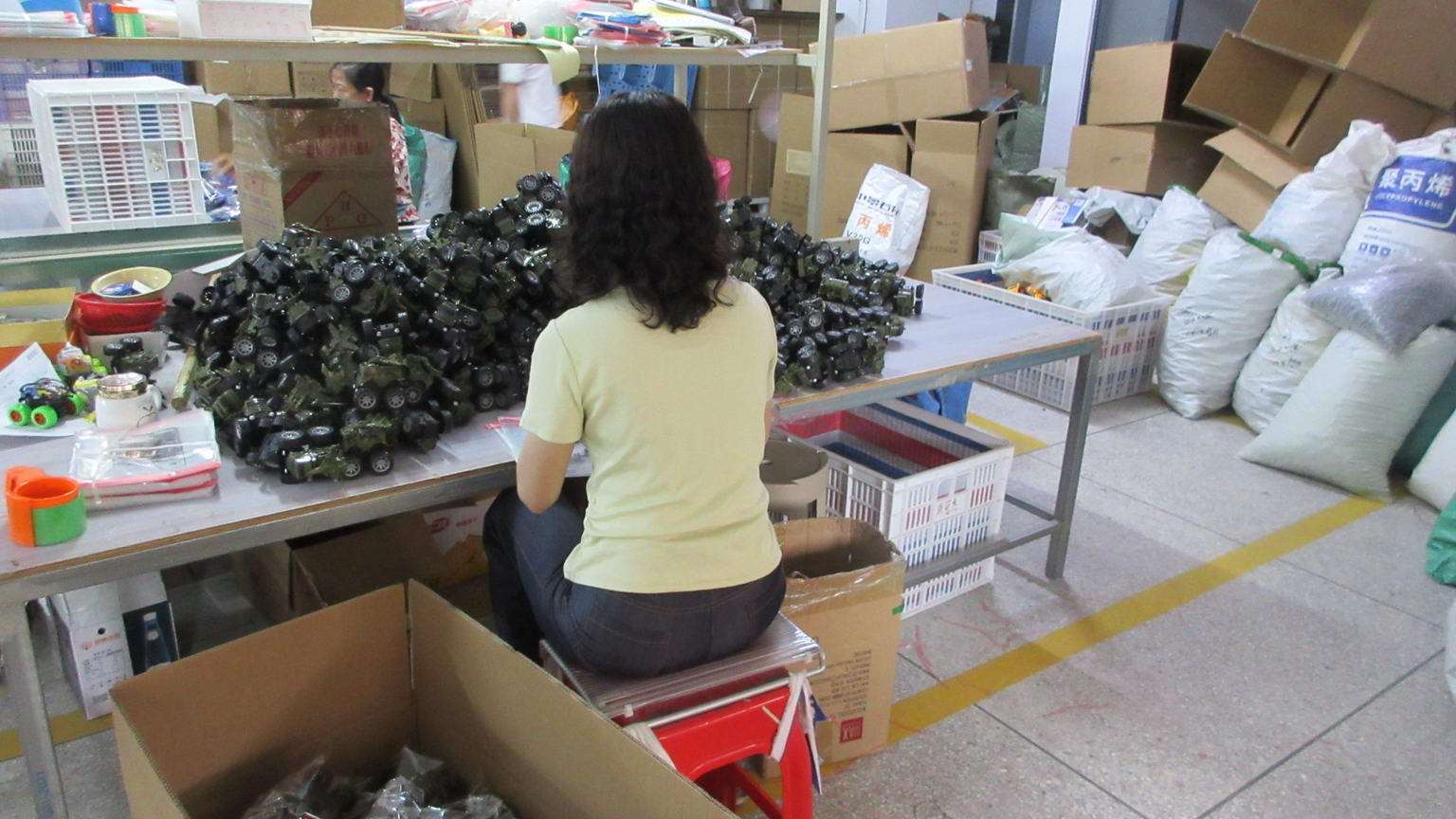
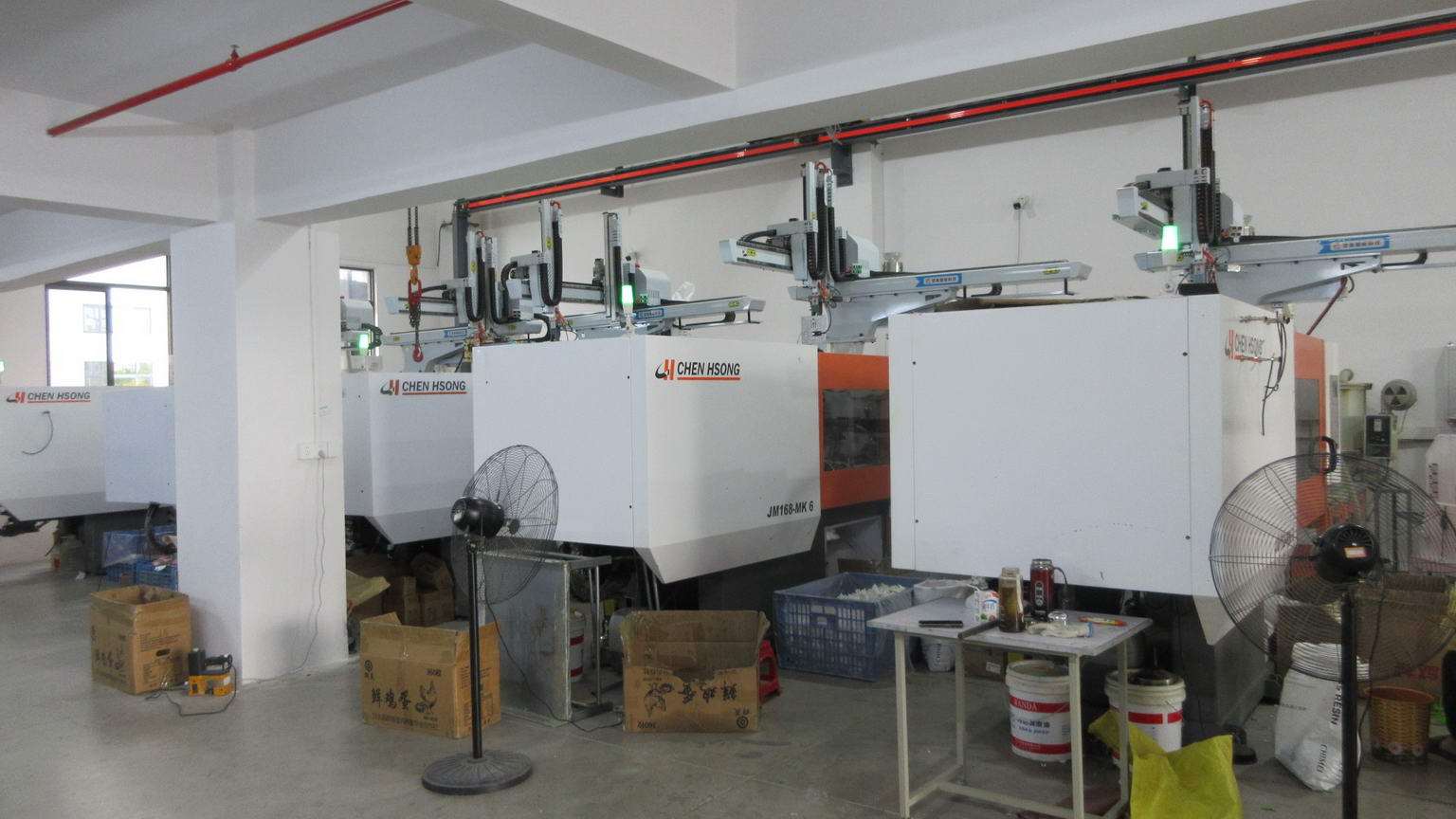
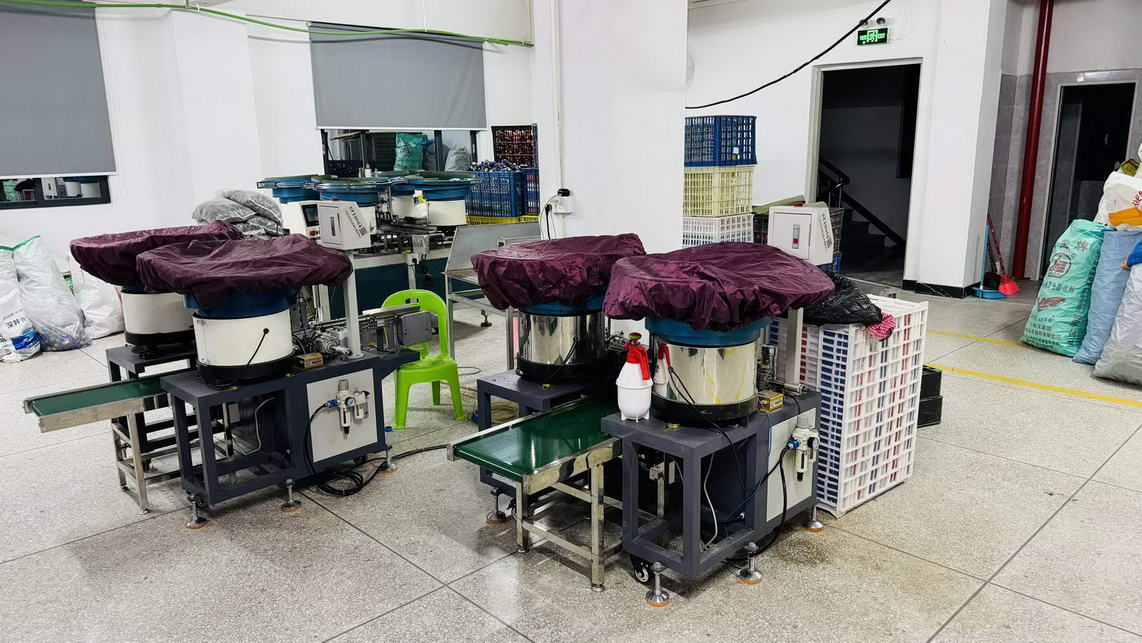
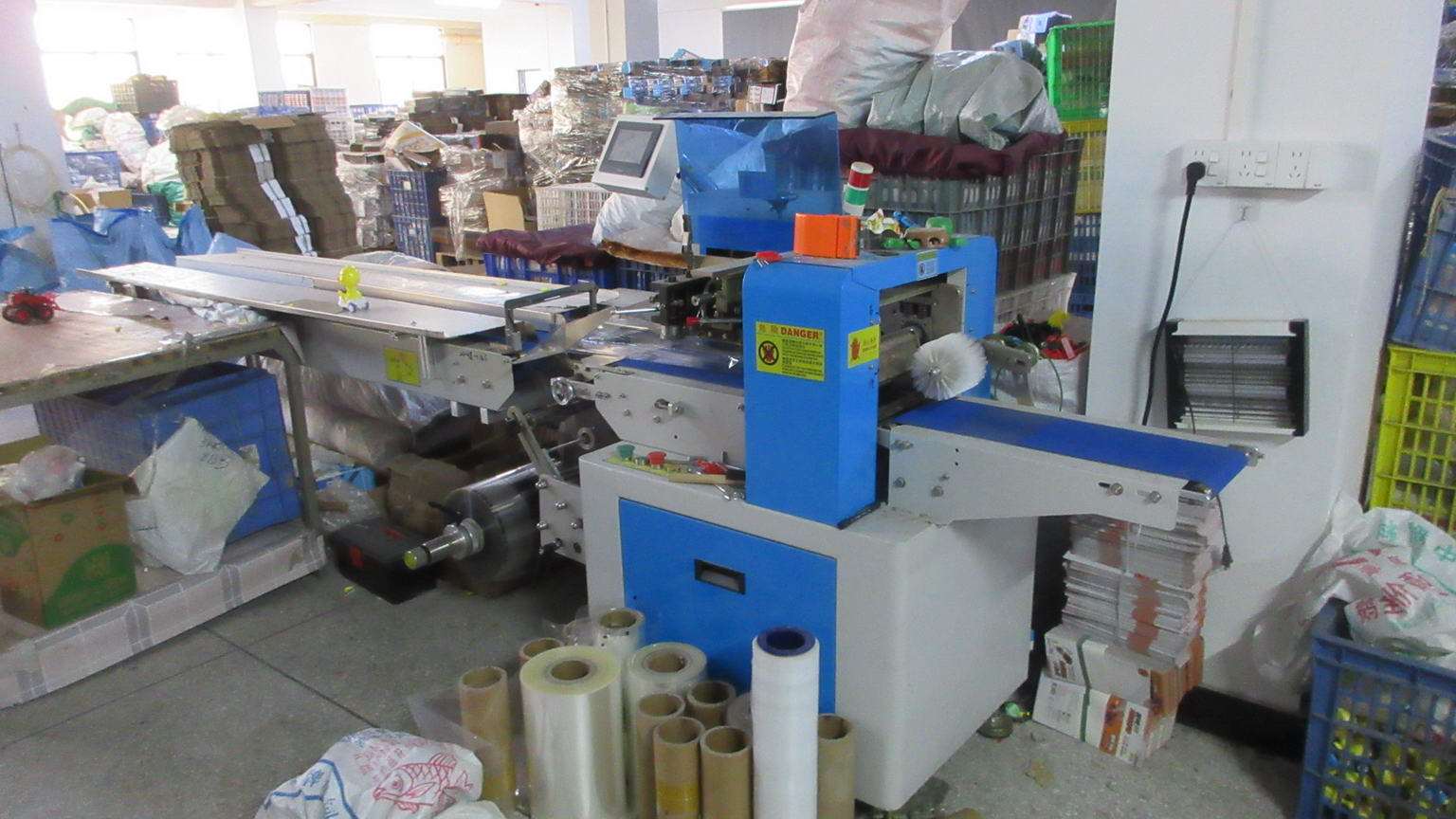
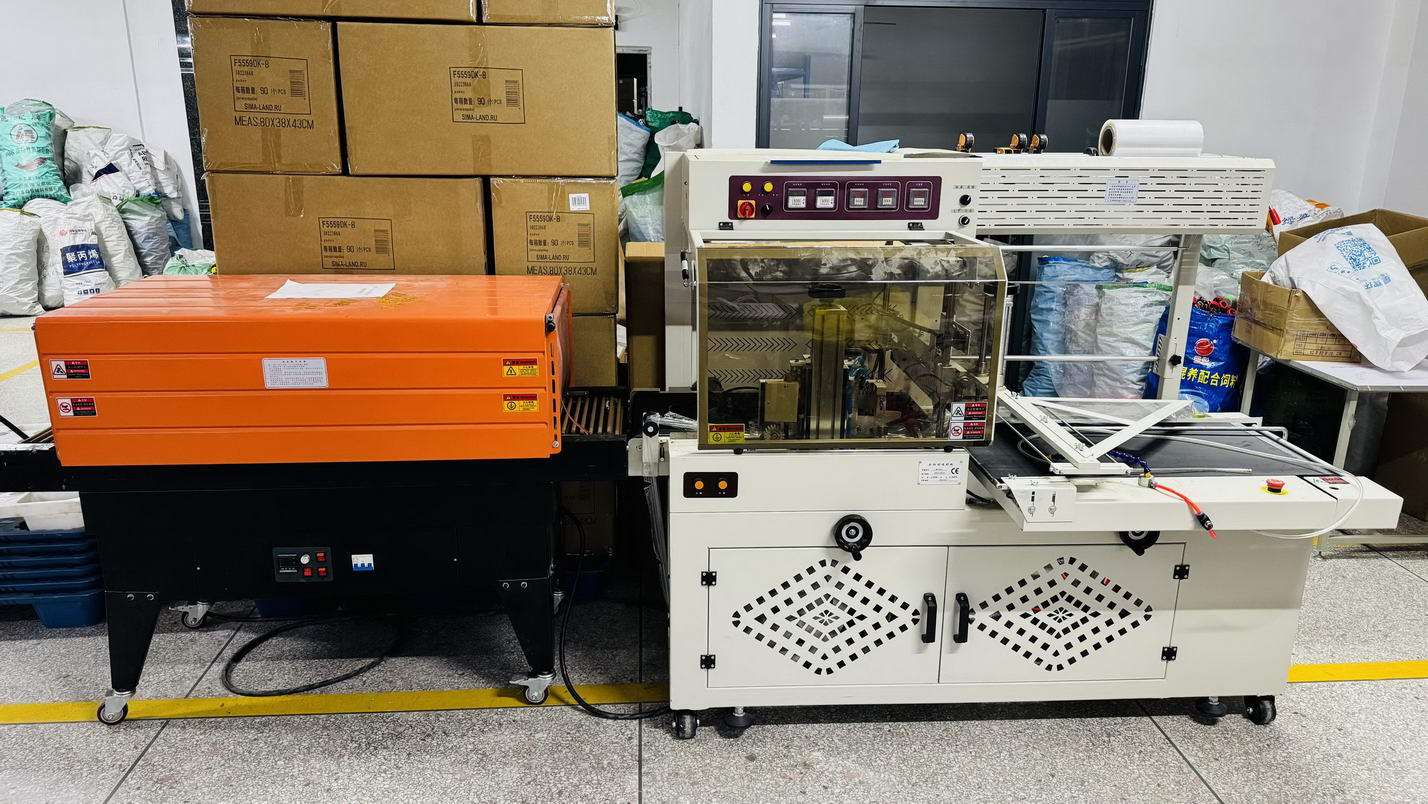
Electrical safety parameters, mechanical stress tests, and chemical formulations are audited under regional quality laws.
At Hoopla Toys, children's safety and supply chain compliance take precedence. Dedicated R&D and quality control teams design and construct every vehicle frame, wiring harness, and battery configuration to meet strict safety criteria. To ensure seamless customs clearance and market entry, all products undergo verification to meet leading international toy regulations:
China Compulsory Certification (3C) covers electromagnetic compatibility, plastics toxicity, structural stability, and battery terminal protections.
Compliance with CE Markings, EN71 (Parts 1, 2, 3 for physical, flammability, and chemical migration) and EN62115 for electric toy systems.
Adherence to ASTM F963 standards (covering battery safety, impact resistance, overload margins) and CPSC guidelines for children's goods.
Hoopla Toys' testing program spans every stage of manufacturing. Raw materials are checked to ensure they are free of phthalates, bisphenol A (BPA), and lead. Assembled battery units go through short-circuit tests, thermal cycle sweeps, and prolonged vibration tests, while the finished ride-on cars undergo incline load tests and drop tests before packaging.
Procuring ride-on electric vehicles typically falls into three primary commercial channels, each requiring specific manufacturing capabilities:
Shipping electric ride-on vehicles with lithium-ion batteries requires strict adherence to international maritime cargo regulations. Because batteries are classified as Class 9 Dangerous Goods (UN3481/UN3171), factories must supply verified test documentation. Hoopla Toys provides fully compliant UN38.3 test reports, MSDS documentation, and dropship-ready packaging that conforms to drop testing standards, reducing damage risk in transit and simplifying custom clearance.
Sourcing directors and import managers address compliance, engineering, and logistics variables.
Explore our collection of die-cast scales, heavy construction machinery replicas, and premium auto body upgrade kits.
 Hoopla Toys