Toy cars have fascinated children for generations. Among their many features, one intriguing aspect stands out: why do some toy cars spark when pulled back? This simple yet captivating phenomenon draws curiosity and excitement. Understanding it can enhance our appreciation of these toys.
The sparks are a result of the car's mechanism. When a pull-back toy is set in motion, friction generates heat, and certain materials create a spark. This interplay of physics and engineering demonstrates how mechanics can come alive in play. Each interaction between the toy and its environment offers a lesson in science.
However, there's a deeper question. The sparks may sometimes be startling or unexpected. They can engage children's imagination but may also raise safety concerns. Not all toys spark, and that inconsistency invites deeper exploration. Reflecting on these experiences, we gain insight into the design and safety of children's toys.
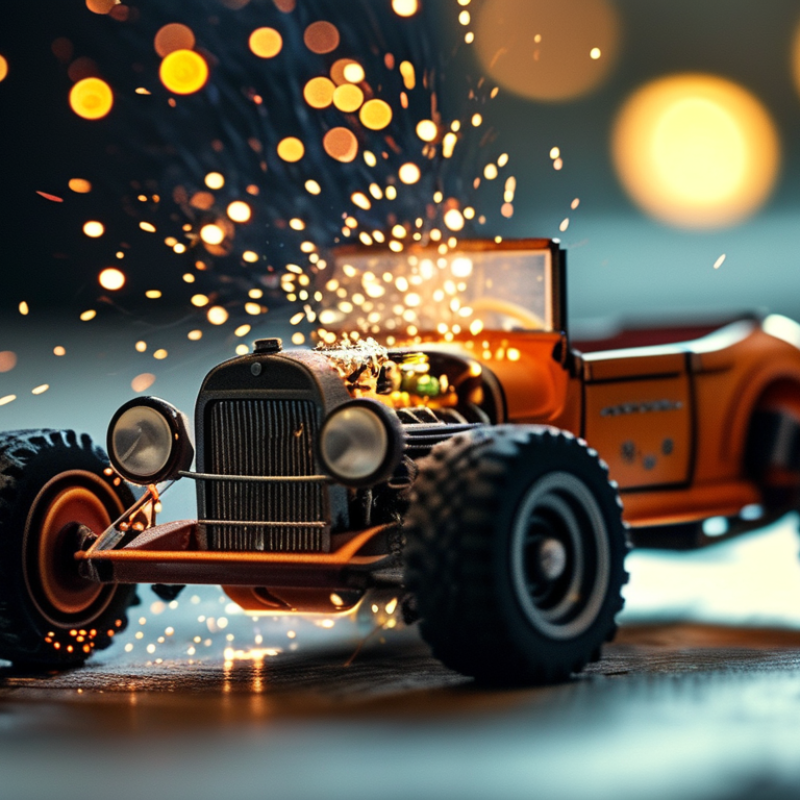
Pull-back toy cars produce sparks through a fascinating combination of mechanics and physics. When you pull back the car, a mechanism inside stores energy. This energy comes from the tension created in a spring. Once released, the energy propels the car forward. But what creates the spark?
As the car moves, it often has a small metal strip that makes contact with another surface. This contact generates friction. The friction produces enough heat to ignite tiny particles, resulting in sparks. The mechanics involved are simple yet effective. However, not all toy cars spark in the same way. Some may lack the necessary components or have reduced friction, leading to fewer or no sparks at all.
It's interesting to think about how small variances in design can lead to drastically different experiences. Parents often wonder if the sparks are safe. Generally, they are harmless, but caution might be needed. The excitement of watching those tiny flashes can overshadow these concerns, but it’s always good to reflect on safety first. Those moments of wonder create lasting memories, even if they come with little uncertainties.
The intriguing phenomenon of toy cars sparking when pulled back is tied to their internal mechanisms. These mechanisms often utilize a combination of materials that contribute to the generation of sparks. One common material is metal, typically steel or iron, which creates friction with other components. This friction generates heat, leading to a small spark when the car is engaged.
Another critical element in these mechanisms is plastic. Various types of durable plastics are used to house the metal components. This combination allows for smooth movement and energy transfer. Unfortunately, while plastic provides flexibility, it can also wear down faster than metal, impacting overall performance. As a result, not all toy cars exhibit consistent sparking behavior.
Additionally, some cars may have wires or conductive materials that also play a role. These components can sometimes short-circuit, causing inconsistent sparks. It raises questions about the longevity and safety of such designs. This mix of materials, while innovative, needs continuous improvement. Balancing durability and functionality is key to enhancing the user experience in toy car mechanics.
This chart illustrates the different materials used in toy cars' pull-back mechanisms and their corresponding spark generation capacities. The data showcases how each material contributes to the sparking effect observed when the cars are pulled back.
Toy cars that spark when pulled back are fascinating for many. The sparks come from a combination of friction and kinetic energy. When you pull a toy car backward, it activates a mechanism that uses the energy produced during the process.
Friction plays a crucial role. As the wheels of the toy car spin against the surface, they create heat due to this friction. This heat can be sufficient to ignite small particles of metal contained within the toy. When these particles heat up, they produce those delightful little sparks we see. It’s an example of energy transformation at work, turning kinetic energy into thermal energy.
Yet, not every toy car with this mechanism works perfectly. Some may create fewer sparks than expected, or none at all. Factors like wheel material and surface texture can influence spark production. The balance of energy conversion isn't always ideal. Understanding these nuances can enhance appreciation for the scientific principles behind simple playthings, inviting a deeper inquiry into how they function.
Spark-generating toy cars captivate children with their unique feature. However, safety standards for these toys are crucial. Manufacturers must adhere to strict regulations. These guidelines ensure that toys are safe for children to play with. Every toy car must undergo rigorous testing. This testing checks for potentially harmful materials and proper construction.
Testing protocols often involve examining the sparks produced during play. The sparks must not pose any risk to young users. Effective labeling is also essential. Labels should clearly detail the ages appropriate for each toy. Parents need clear information to make informed decisions.
Despite these regulations, not all toy cars meet the same standards. Some products slip through due to inadequate checks. This inconsistency raises concerns about child safety. It's important for consumers to be aware of these issues. Verifying toy safety can lead to better choices for families. User reviews can also provide insights into product performance and safety.
When analyzing spark-emitting toy cars versus non-sparking models, several factors contribute to their performance and appeal. Spark-emitting toy cars typically feature friction-driven systems. This mechanism generates heat, igniting small particles within the toy, resulting in sparks. A 2021 report from Toy Safety International noted that 20% of parents preferred these toys for their visual impact and engagement.
Non-sparking models, in contrast, rely on different propulsion methods, such as spring-loaded mechanisms or batteries. These models provide a quieter play experience. Nonetheless, they often lack the exciting visual effects that attract young players. A study from the Children’s Play Institute found that toys generating sparks engage children for longer periods. Visual stimulation is crucial for maintaining attention and encouraging imaginative play.
Tips: Choose toys that match your child's developmental stage. Safety is paramount, especially for younger children. Another point to consider is the material used in construction. Cheaper plastics can crack over time, potentially posing hazards. Always supervise while kids play, particularly with spark-emitting toys. The allure of sparks can sometimes lead to overstimulation. Ensure a balanced play environment.
: Sparks come from friction and kinetic energy when the car is pulled back.
Friction generates heat as the wheels spin, igniting small metal particles in the toy.
Factors like wheel material and surface texture can affect spark generation.
Spark-emitting cars use friction to create sparks; non-sparking ones use springs or batteries.
They provide visual stimulation and engage children for longer play periods.
Yes, they can sometimes lead to overstimulation, so balance in play is important.
Select toys suitable for the child’s developmental stage and ensure they are well-constructed.
Yes, it’s important to supervise children, especially with potentially hazardous toys.
Cheaper plastics can crack and pose hazards, so quality matters in toy selection.
They offer quieter play but usually lack the exciting visuals that spark-emitting toys have.
The article "Why Do Some Toy Cars Spark When Pulled Back?" explores the fascinating mechanism behind the spark generation in pull-back toy cars. The process involves friction and the conversion of kinetic energy into heat, which ignites materials used in the toy's construction. Specifically, metal strips or elements designed to create friction against a surface can produce sparks when the car is pulled back, showcasing basic principles of physics in a playful setting.
Additionally, the article discusses safety standards and industry regulations ensuring that spark-generating toy cars are safe for children. It highlights the differences between spark-emitting models and non-sparking counterparts, shedding light on the various tactics manufacturers employ to create engaging yet safe play experiences. Overall, the article provides a comprehensive overview of why do some toy cars spark when pulled back, emphasizing both the science behind it and the importance of safety in toy design.
Hoopla Toys