In recent years, the safety of materials used in baby toys has become a critical concern for parents and manufacturers alike. Research from the American Academy of Pediatrics highlights that choosing safe materials is vital for preventing harmful exposures in children. This raises the essential question: what materials are safest for baby toy cars? Industry experts emphasize the importance of non-toxic, durable materials to ensure children's safety while playing.
According to a report from the Consumer Product Safety Commission, nearly 10 million toy recalls occur annually. Many of these are due to unsafe materials that can pose health risks. Recent trends indicate that parents are increasingly prioritizing materials like bamboo, food-grade silicone, and BPA-free plastic. These materials provide peace of mind while ensuring toys remain engaging and fun.
However, not all materials labeled as “safe” meet rigorous safety standards. Parents need to remain vigilant and informed. Insight from experts suggests that certifications from reliable organizations can help discern truly safe options. Understanding what materials are safest for baby toy cars is an ongoing process that requires both vigilance and knowledge.
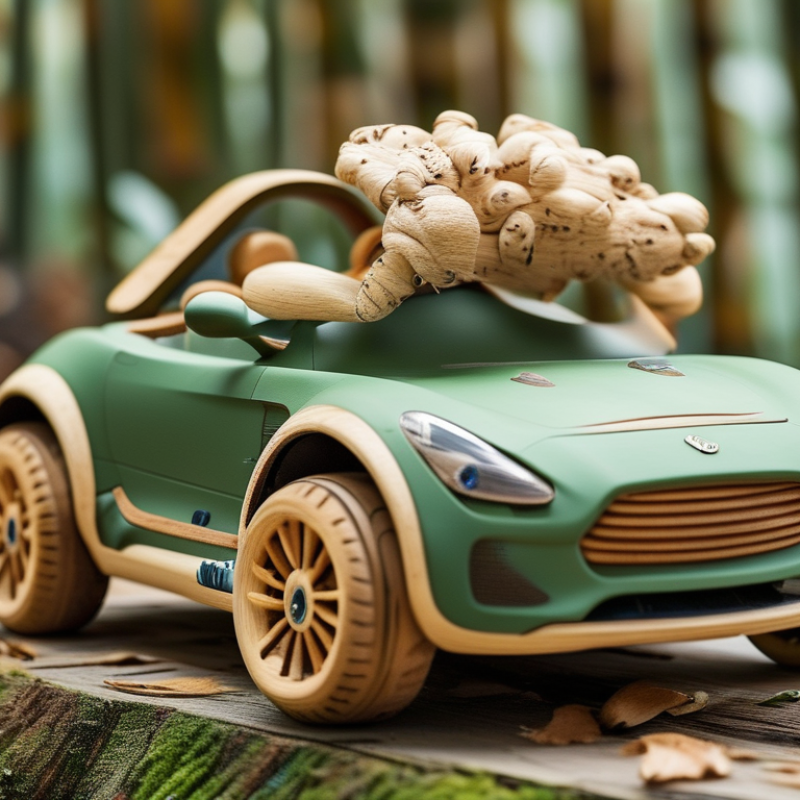
When selecting materials for baby toy cars, safety is paramount. Parents want to ensure that toys are made from non-toxic, durable, and safe materials. In China, several options stand out for their safety and reliability. These materials offer peace of mind for caregivers as well as fun for kids.
Wood is a classic choice. It is sturdy and can withstand rough play. However, not all wood is safe. Some finishes and treatments may contain harmful chemicals. Look for toys that use hardwood and are coated with non-toxic paints.
Another great option is silicone. This flexible material is soft and durable, making it an ideal choice for baby toys. It's also easy to clean and resistant to bacteria.
Plastic is ubiquitous in toy manufacturing but can be tricky. Only high-quality plastic, free from BPA and phthalates, should be considered. Bio-based plastics are emerging as safer alternatives too.
Additionally, fabric toys made from organic cotton are soft and safe for small children. They promote sensory experiences but must be thoroughly cleaned to avoid bacteria. While many materials are safe, it's crucial for parents to stay informed. Always check for certifications and reviews before making a purchase.
The safety of baby toy cars is paramount. Recent studies have indicated that certain materials can pose significant health risks. For example, a report by the American Society for Testing and Materials revealed that PVC (polyvinyl chloride), while common, releases harmful phthalates that can disrupt hormonal development in young children. This finding underscores the importance of choosing safer alternatives.
Natural materials like wood and organic cotton are gaining attention. Research shows that these options have lower toxicity levels. In a comparative analysis, wooden toys showed minimal chemical leaching, making them safer choices for babies. However, not all wooden toys are created equal. Some may still treat wood with toxic finishes, warranting careful inspection of sourcing and certifications.
Another key factor is the use of paints and dyes. Water-based paints are recommended due to their lower toxic nature. A study from the European Union indicated that lead and cadmium are still present in some cheaper toys. Ongoing vigilance is necessary. Parents and manufacturers must remain aware of materials used in toy production, pushing for transparency and safety in the industry.
When selecting materials for baby toy cars, safety is paramount. Industry standards focus on minimizing risks. Organizations set rigorous guidelines for non-toxic materials. These guidelines help manufacturers create safe products. Materials must pass various tests for harmful substances. Heavy metals and phthalates must be strictly regulated.
Plastic often dominates this market, but the type matters. Some plastics release harmful chemicals. Alternatives, like bamboo or soft wood, are gaining traction. They are naturally safer and offer unique textures. Parents sometimes overlook these choices, assuming all plastics are safe. Research on various materials can be patchy. Educating oneself about specific compounds is crucial.
Not all manufacturers adhere to the same safety standards. This inconsistency can be confusing for buyers. Transparency in sourcing materials is lacking at times. Knowing how products are tested is essential. Parents should ask about certifications and test results. This awareness drives better decisions. Trusting the manufacturing process can be tricky, but it is vital for children's safety.
In recent years, the focus on safe materials in toy production has gained momentum. Several case studies highlight effective implementations in Chinese manufacturers. For instance, a 2022 report revealed that over 80% of parents prioritize non-toxic substances for children’s toys. This growing demand led to significant industry shifts.
One notable case involved a company that switched from PVC to plant-based alternatives. Their sales increased by 40% after promoting their commitment to safety. This move did not just meet consumer demand; it also contributed to environmental sustainability. Penetration of safe materials undoubtedly leads to a healthier market.
However, challenges remain. Not all manufacturers adhere to safety standards. An industry survey found that nearly 30% of toys tested contained harmful substances. This discrepancy raises concerns about quality control. The implementation of comprehensive regulations could further enhance product safety.
The combined efforts in promoting safe materials show promise. Yet, the industry must reflect on these discrepancies to ensure a secure environment for children. The ultimate goal must remain to safeguard their health without compromising on innovation.
Recent surveys show that parents prioritize safety when choosing materials for baby toy cars. A significant 78% of respondents identified non-toxic materials as critical. The most trusted materials include food-grade silicone, natural rubber, and organic wood, as they meet stringent safety standards. Many experts suggest these materials reduce potential hazards linked to plastic toys.
While these surveys reflect consumer preferences, there's room for improvement in awareness. For instance, only 40% of parents consistently research the materials used in toys. This gap indicates a need for better education regarding safe materials. Additionally, a report from the American Academy of Pediatrics emphasizes transparency in toy manufacturing processes.
Tips for parents: Always check certifications. Look for labels that indicate compliance with safety standards. Avoid any product lacking clear material descriptions. Be cautious with older toys, as they might not meet current safety guidelines. Even popular toys can pose risks if not vetted properly. Prioritizing safety will ensure a healthier playtime environment for children.
: Safe materials include wood, silicone, organic cotton, and high-quality plastics.
Wood is sturdy and can withstand rough play. Choose hardwood coated with non-toxic paints.
Only use high-quality plastic free from BPA and phthalates. Not all plastics are safe.
Always check for certifications and reviews before purchasing. Transparency is crucial.
Surveys show 78% of parents prioritize non-toxic materials for baby toys.
Fabric toys from organic cotton are safe but need thorough cleaning to avoid bacteria.
Yes, bio-based plastics and materials like bamboo and soft wood are safer choices.
Only about 40% of parents consistently research the materials used in toys.
Look for labels indicating compliance with rigorous safety standards for materials.
Older toys may not meet current safety guidelines, posing potential risks to children.
The article "China Top 10 Safest Materials for Baby Toy Cars" provides a comprehensive overview of the most secure materials used in the production of baby toy cars, addressing the pressing question of what materials are safest for baby toy cars. It includes a comparative analysis of toxicity levels in various materials, ensuring that parents can make informed choices for their children’s toys.
Furthermore, the article discusses industry standards that guarantee the use of child-friendly materials, showcasing successful case studies from manufacturers who have effectively implemented these safe materials in their toy production. Additionally, consumer preferences are highlighted through survey insights that reflect the growing demand for safety in baby toys, emphasizing the importance of material safety in the market.

Hoopla Toys