How to Organize a Massive Toy Car Collection Effectively?

Time:2026-07-22 Author:Charlotte
0%

Organizing a massive toy car collection can be both fun and challenging. Many collectors face the same dilemma: how to organize a massive toy car collection effectively? With countless models ranging in size, color, and brand, sorting can become overwhelming. Each car tells a story, capturing memories and experiences.

Finding the right display method is crucial. Whether it’s shelves, display cases, or custom layouts, visual appeal matters. Groups can be formed based on color, type, or era. Yet, some collectors may struggle with the best approach. There’s no one-size-fits-all solution. Each collection is unique, reflecting individual tastes and interests. Reflecting on what works and what doesn’t can lead to better organization.

Additionally, maintaining accessibility is key. Aesthetics should not overshadow practicality. A well-organized collection allows collectors to appreciate each piece while easily finding favorites. Remembering that organization is a continuous process can help manage expectations. Creating an effective system is an evolving journey, not a destination.
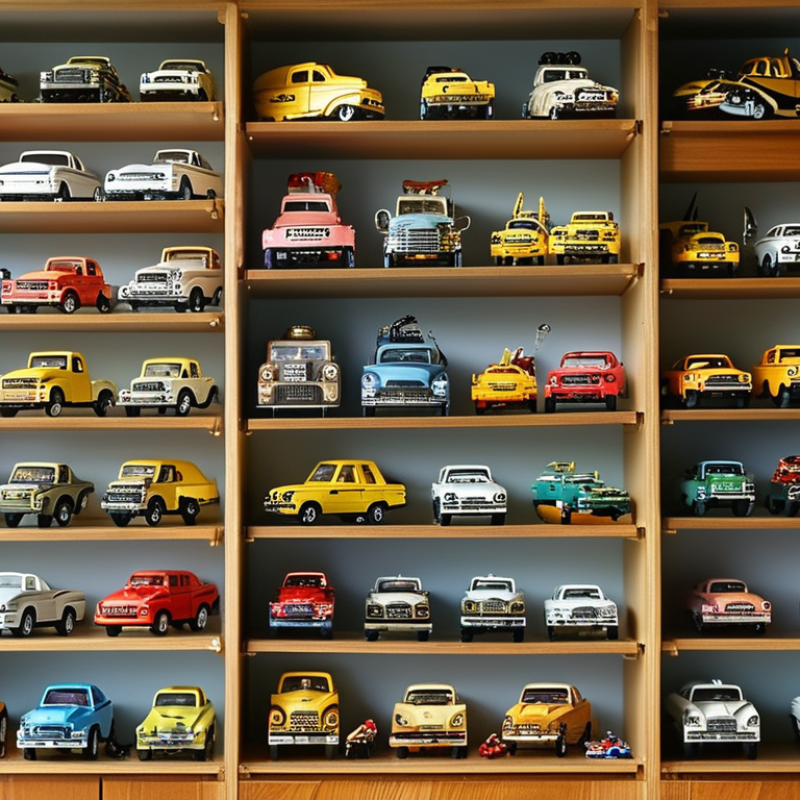
How to Organize a Massive Toy Car Collection Effectively?

Choosing the Right Display Space for Your Toy Car Collection

When choosing the right display space for your toy car collection, consider lighting. Many collectors overlook how light changes the perception of colors and details. A well-lit area enhances the appearance of each car and brings out their unique features. According to a study by the National Association of Collectors, 70% of collectors prefer a display that emphasizes the colors of their items. Natural light can be ideal, but UV filters are important to prevent fading.

Next, think about the arrangement of your cars. The position and layout can significantly impact their visual appeal. A report from the Toy Industry Association indicates that collections displayed in thematic arrangements often attract more attention. Try grouping cars by color, make, or era. Such organization tells a story and makes the display engaging. However, it is essential to avoid overcrowding the space; this can detract from the overall impact. Leaving space allows viewers to appreciate each car individually.

Don't forget about accessibility. Displaying your collection should not limit your enjoyment of it. Inviting a friend to see your collection is a great way to share your passion. However, some collectors may feel reluctant to display their cars for fear of damage or dust accumulation. Regular maintenance is key. Periodic cleaning and restoration can make a huge difference. Be prepared for some trial and error to find the perfect balance between protecting your collection and showcasing it effectively.

Categorizing Your Toy Cars by Type, Era, or Brand

Organizing a massive toy car collection can be thrilling yet daunting. To make it easier, categorizing your collection by type, era, or brand can significantly improve accessibility and satisfaction.

When sorting by type, consider grouping cars into categories such as muscle cars, race cars, and vintage classics. This method helps you identify any gaps in your collection. Creating separate sections or shelves for each type can also enhance visual appeal. Labeling each section adds a layer of organization that makes finding specific cars quicker.

Categorizing by era taps into the nostalgia of collecting. Divide your cars into decades or specific years. This can shine a light on trends in toy car design and production. Think about how the styles have changed. If your collection feels chaotic, reflect on your organizing methods. Keep a notebook detailing the eras represented in your collection.

When sorting by brand, each brand tells a different story. Create sections for popular brands or unique ones. You might discover duplicates or gaps in representation. Digital inventory tools can help track your collection. However, even with tech, manual checks are worthwhile to ensure accuracy.

How to Organize a Massive Toy Car Collection Effectively?

Type Era Brand Condition Quantity
Sports Cars 2000s Various New 15
Classic Cars 1960s Various Used 8
Race Cars 2010s Various New 10
Vintage Cars 1980s Various Used 5
SUVs 2015s Various New 20

Utilizing Storage Solutions for Protection and Accessibility

Organizing a massive toy car collection can be a challenge. Using the right storage solutions makes a significant difference. First, you need to consider visibility. Clear bins help you see each car at a glance. Shelves with cubbies are great too. They allow for easy access and display. However, choosing bins that are too small can lead to overcrowding.

Protection is another key factor. Using soft cloths to line shelves can prevent scratches. Display cases with doors keep dust away. Yet, make sure you check for UV protection to keep colors vibrant. A common mistake is forgetting to label bins. Without labels, finding specific cars can become exhausting.

Accessibility should remain a priority. Arrange cars by size or type for quick retrieval. Using pull-out drawers can make low-shelves easily accessible. However, don’t stack bins too high. This may lead to accidents. Reflect on your current setup. Is it easy to maintain or overwhelming? Finding the right balance takes time and experimentation.

Maintaining and Cleaning Your Toy Cars for Longevity

Cleaning and maintaining a toy car collection is crucial for longevity. Dust and dirt can cause significant damage over time. According to a report by the Toy Association, maintaining collectibles properly can increase their longevity by up to 30%. Regular dusting with a microfiber cloth is essential. This simple action removes dirt without scratching the cars.

When dealing with stubborn stains, a mild soap solution works well. Soak a cloth in soapy water and gently wipe the affected areas. For metal parts, a soft brush can help access tight spots. Performing routine cleanings every few months keeps your collection in pristine condition. Keep in mind that excessive cleaning may wear down the paint. Always test on a small area first.

Storage is equally important. Keeping cars in a climate-controlled space helps avoid humidity's damaging effects. The American Collectors Association emphasizes that proper environment control can prevent rust and deterioration. Even the way you display your cars matters. Using display cases protects them from dust and accidents. However, avoid overcrowding, as it can lead to scratches. Take time to reflect on your collection's organization regularly. This ensures you’re not only preserving but also genuinely enjoying your hobby.

Documenting and Cataloging Your Collection for Future Reference

Documenting and cataloging your toy car collection is essential for organization and future reference. A meticulous approach allows collectors to track their items effectively. According to a report by the Toy Association, 57% of collectors cite the importance of maintaining detailed records. This practice not only helps in inventory management but also enhances the value of the collection over time.

Start by creating an inventory sheet. Record vital details like make, model, year of manufacture, and condition. Photos can enhance the documentation process. High-resolution images provide visual confirmation of each item. Interestingly, a study by the International Toy Collectors Association found that collections with detailed documentation appreciate 15% more in value annually.

Reflection is key to this process. As collectors, we often tend to overlook some aspects, such as item rarity and demand trends. Investing time in research can significantly impact your collection's direction. Regular updates to your catalog can help identify pieces that may need re-evaluation or replacement. Balancing passion with a strategic plan is crucial for long-term success.

FAQS

: How should I categorize my toy car collection?

: Consider sorting by type, era, or brand. Types include muscle cars or vintage classics.

What benefits come from organizing by era?

Organizing by decade captures nostalgia. It reveals trends in design over time.

How can I visually improve my collection display?

Create sections with labels. Use shelves for each type. It enhances organization and appeal.

What storage solutions should I consider?

Clear bins or cubby shelves enhance visibility. Ensure easy access without overcrowding.

How can I protect my toy cars?

Line shelves with soft cloths. Use display cases to keep dust away and colors vibrant.

Why is labeling important in organization?

Labels help identify specific cars quickly. Forgetting labels can make finding items exhausting.

What should I reflect on regarding my setup?

Assess if your organization is easy to maintain. Overwhelming setups may need changes.

How do I ensure accessibility in my collection?

Arrange cars by size or type for quick retrieval. Avoid stacking bins too high to prevent accidents.

Are digital tools necessary for tracking?

Digital tools can help, but manual checks are also beneficial for accuracy. Balance both methods.

What common mistakes should I avoid when organizing?

Don’t choose bins that are too small. Forgetting to label can lead to frustration.

Conclusion

Organizing a massive toy car collection can be both rewarding and challenging. To effectively manage your collection, start by choosing the right display space that showcases your cars while ensuring they are protected from damage. Categorizing your toy cars by type, era, or brand helps streamline organization and makes it easier to locate specific items. Additionally, utilizing appropriate storage solutions ensures that your cars remain accessible while being safeguarded against dust and wear.

Maintenance is key to preserving your collection's longevity; regularly cleaning your toy cars will keep them in pristine condition. Finally, documenting and cataloging your collection serves as a valuable reference for future enjoyment and can help with any potential trading or selling endeavors. By understanding how to organize a massive toy car collection, you can create an orderly and visually appealing display that highlights your passion.

Charlotte

Charlotte

Charlotte is a seasoned marketing professional with a deep understanding of the company's portfolio and a passion for elevating its presence in the market. With a keen eye for detail and a commitment to excellence, she ensures that our professional blog is regularly updated with insightful articles......