Essential Tools for Toy Car Restoration What Do You Need?

Time:2026-08-06 Author:Ethan
0%

Restoring toy cars can be a rewarding hobby. It requires attention to detail and the right tools. Many enthusiasts wonder, "what tools do I need for toy car restoration?" This question is crucial for anyone starting this project.

Essential tools include screwdrivers, pliers, and paintbrushes. You might also need super glue and fine sandpaper. Each tool serves a specific purpose, making the restoration process smoother. However, it's easy to overlook minor tools that can make a difference. For instance, a good magnifying glass can help in identifying tiny parts.

Choosing tools based on the toy's condition is important. Some restorations may need delicate handling, while others can tolerate a bit more force. Mistakes happen, and not every restoration turns out perfect. Reflecting on what worked or didn't can enhance your skills for future projects.
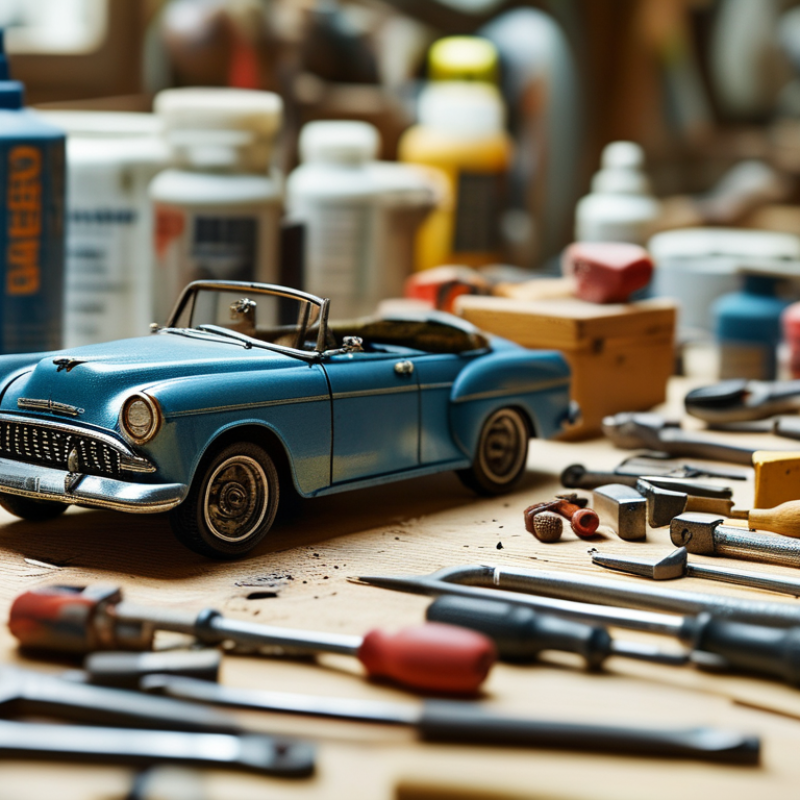
Essential Tools for Toy Car Restoration What Do You Need?

Essential Tools for Toy Car Restoration: A Comprehensive Overview

Restoring toy cars requires specialized tools that ensure precision and care. One essential tool is a precision screwdriver set. This set allows collectors to carefully disassemble intricate parts without damaging them. According to a 2021 industry report, nearly 75% of restoration errors stem from improper disassembly techniques. A good screwdriver can prevent many headaches and lost components.

Additionally, a high-quality adhesive is vital for reattaching parts. Many types of adhesives exist, but finding one that suits the materials is crucial. For instance, a versatile epoxy is often recommended for metal and plastic parts. The right adhesive not only speeds up the restoration process but also enhances the final product's durability. Some restorers overlook the importance of testing adhesives on scrap materials first, which can lead to regrettable mistakes.

A proper workbench setup greatly impacts the restoration process. An organized space can improve efficiency and focus. Reports show that cluttered work areas lead to increased errors during restoration. Lighting is another factor; poor illumination can hinder the meticulous work required for small details. Careful attention to the work environment can make a significant difference. Balancing tools, space, and technique forms the backbone of successful toy car restoration.

Understanding the Importance of Two-Part Epoxy in Restoration Projects

Two-part epoxy is a crucial element in toy car restoration. This adhesive offers unmatched strength and versatility, making it ideal for rebuilding broken parts. According to a report by the Adhesive and Sealant Council, epoxies account for about 30% of the adhesive market due to their effectiveness. For toy car enthusiasts, the right epoxy can mean the difference between a successful restoration and a project gone wrong.

Proper surface preparation is vital when using two-part epoxy. Cleaning the surfaces ensures that the epoxy adheres effectively. This can prevent future failures and is often overlooked. Experimentation with mixing ratios can also lead to varying results; using too much hardener can cause brittleness. Industry studies indicate that 70% of adhesion failures stem from improper application techniques. Therefore, a careful approach is essential in any restoration project.

Visual appeal is another critical aspect of restoration. Two-part epoxies can also be painted once cured, allowing for seamless integration with original paint jobs. However, finding the right color match can be challenging. As many restorers have noted, it might take a few tries to get it just right. Being patient and learning from each attempt can greatly improve the final outcome.

Selecting the Right Paints for Toy Car Aesthetics and Durability

Choosing the right paints for toy car restoration is crucial. High-quality paints enhance aesthetics and durability. In a recent report from the Toy Industry Association, it was found that 70% of collectors prioritize vibrant colors and finishes. These details can make or break a restoration project.

When selecting paints, consider options that include acrylic and enamel varieties. Acrylic paints are user-friendly and dry quickly. They bond well to various materials and resist fading. On the other hand, enamel paints offer a glossy finish and superior durability. However, they might require more drying time. Remember, a well-prepared surface ensures better adherence, so prep work is essential.

Another important factor is safety. VOC (volatile organic compounds) content should be low to minimize health risks. Research indicates that 40% of hobbyists overlook this aspect when choosing paints. Using non-toxic, environmentally friendly options can not only improve safety but also enhance the restoration quality. Each restoration journey teaches new lessons, with reflections on choice and execution shaping future projects.

Essential Cleaning Supplies: Best Practices for Toy Car Restoration

When restoring toy cars, proper cleaning supplies play a crucial role. A gentle cleaner, like mild soap, can effectively remove dirt. Soft brushes help reach tight spots without scratching the surface. Use cotton swabs to clean detailed areas that are hard to access. This method preserves the integrity of the car while enhancing its appearance.

Tips: Always test cleaners on a small area first. This prevents unexpected damage to the paint or plastic. Rinse thoroughly to remove any soap residue that could cause discoloration.

Consider using microfiber cloths for drying and polishing. They reduce streaks and lint. Avoid abrasive materials, as they can scratch delicate surfaces. Sometimes, despite your best efforts, stubborn stains may remain. Reflect on whether to keep imperfections for character or restore to perfection. Balance can often lead to the best outcome in your restoration journey.

Safety Gear: Protecting Yourself During the Restoration Process

Restoring toy cars can be a rewarding project, but safety must come first. As you dive into this creative process, consider wearing safety gear to protect yourself. Use safety goggles to shield your eyes from dust and debris while sanding or painting. A good pair of gloves can prevent cuts and abrasions from sharp metal or plastic edges. Don’t overlook a mask to avoid inhaling harmful fumes from paints and adhesives.

In addition to personal protective equipment, a well-prepared workspace is crucial. Make sure your area is well ventilated, especially when working with chemicals. Organize your tools and materials to minimize the risk of accidents. It’s easy to get lost in the details, so having a clear workspace helps. Reflect on your approach: are you rushing through tasks? Take the time you need to work safely and thoughtfully. The joy of restoration is not just in the final product but in the learning process as well.

FAQS

: What is important when choosing paints for toy car restoration?

: Selecting high-quality paints enhances both aesthetics and durability.

Which types of paints are recommended for toy cars?

Acrylic and enamel paints are popular choices. Acrylics dry quickly while enamels offer glossy finishes.

Why is surface preparation essential before painting?

A well-prepared surface ensures better adherence of the paint and enhances the finish.

What should I consider regarding safety in paints?

Look for paints with low VOC content to minimize health risks during restoration.

How can I effectively clean toy cars before restoration?

Use mild soap, soft brushes, and cotton swabs to remove dirt without scratching surfaces.

What should I do to prevent damage when using cleaners?

Test cleaners on a small area first to avoid unexpected damage to the paint.

What are the best materials for drying and polishing toy cars?

Microfiber cloths are ideal as they reduce streaks and lint during drying.

What if stubborn stains remain after cleaning?

Reflect on keeping imperfections for character or decide to restore to perfection.

How can I balance restoration and character in my toy car?

Sometimes keeping minor flaws offers charm, while a focus on perfection can influence future projects.

Why is selecting the right paint crucial for collectors?

Many collectors prioritize vibrant colors, which can significantly impact the overall restoration quality.

Conclusion

Restoring toy cars can be a rewarding hobby, but understanding "what tools do I need for toy car restoration" is crucial for success. Essential tools include a high-quality two-part epoxy, which is important for effective bonding during repairs, and the right paints that ensure both aesthetics and durability for the final look of the toy car. Additionally, having the proper cleaning supplies is vital for restoring the car’s surface and preparing it for painting.

Safety gear should not be overlooked during the restoration process, as it protects you from potential hazards associated with chemicals and materials used. By equipping yourself with the right tools and understanding best practices, you can breathe new life into vintage toy cars while ensuring both your safety and the quality of your restoration projects.

Ethan

Ethan

Ethan is a seasoned marketing professional with a deep expertise in our company's innovative product line. With a passion for sharing knowledge and insights, he takes the lead in regularly updating our corporate blog, where he explores industry trends, product features, and effective marketing......