Why Did My Electric Toy Car Stop Smoking Troubleshooting Tips?

Time:2026-09-05 Author:Ethan
0%

If you’ve ever wondered, "why did my electric toy car stop smoking?", you’re not alone. Many toy car enthusiasts face this issue. A smoking electric toy car often indicates a deeper problem. Understanding this can help you troubleshoot effectively.

Electrical components can overheat. This may lead to smoke, which is alarming for any user. Often, the wiring might be damaged or a motor could be stalled. Checking these parts can provide clarity. It’s important to approach this situation with caution.

Inspecting your toy car requires patience and a bit of knowledge. Identify any visible damage. Look for frayed wires or burnt sections. These signs are key indicators of trouble. However, don't rush to conclusions. Sometimes, troubleshooting is about the details. Take your time and gather information before deciding on the next steps.
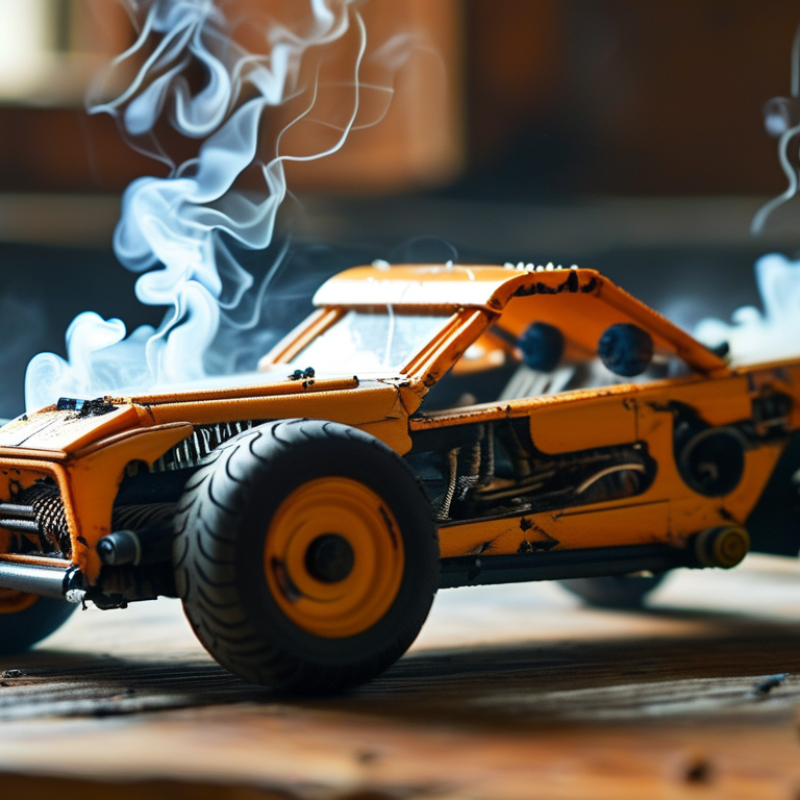
Why Did My Electric Toy Car Stop Smoking Troubleshooting Tips?

Common Reasons for Electric Toy Car Smoking Issues

Electric toy cars, while fun and engaging, can sometimes emit smoke. Understanding the common reasons behind this alarming issue is crucial for parents and users. One major reason for smoking is overheating. Studies show that motors in electric toys can reach critical temperatures if they are bogged down by heavy loads. Operating these vehicles on rough terrains can lead to excessive strain on the motor, resulting in thermal failure.

Another frequent cause is electrical shorts caused by damaged wiring. Manufacturers often report that around 10% of all failures in electric toys stem from this issue. A quick visual inspection of the wiring can help catch problems early. Look for frayed or exposed wires, which can lead to short circuits, increasing the risk of smoke and even fire. Additionally, improper battery use can also create problems. Using incompatible or overcharged batteries stresses the electrical system, potentially leading to smoke production.

It's essential to remember that regular maintenance can prevent many smoking issues. Check the motor and connections routinely for signs of wear. Educating users on the right operating conditions can also help reduce risks. Finding the balance between play and safety is vital for ensuring that the fun doesn't turn into a hazardous situation.

Identifying Electrical Short Circuits in Your Toy Car

When an electric toy car stops working, electrical short circuits are often the culprits. These issues usually stem from damaged wires or loose connections. Over time, wear and tear can create gaps in the wiring. Such gaps can lead to short circuits, resulting in smoke or, worse, complete failure of the toy car.

To identify these short circuits, visually inspect the wiring. Look for exposed wires or burnt areas. A quick examination can save time. If you spot any damages, repair them immediately using electrical tape or soldering. However, if you feel unsure about the repairs, seeking professional help might be wise. Not everyone can confidently handle electrical repairs, and it's okay to ask for assistance.

Preventing future issues also involves regular maintenance. Check the battery connections and ensure they are clean. Clean connections reduce resistance and heat buildup. Take care of your toy car, and it will serve you well. Recognizing the signs of trouble early can make a difference. Embrace learning from your experiences, as refining your troubleshooting skills will enhance your overall confidence.

Examining Battery and Power Supply for Malfunctions

When troubleshooting an electric toy car that has stopped working, examining the battery and power supply is crucial. Batteries often degrade over time, losing their charge capacity. According to a report from the International Renewable Energy Agency, lithium-ion batteries can typically last 2 to 3 years with proper care. However, age and usage can significantly impact performance.

Check the connections first. Loose or corroded connections prevent power from reaching the motor. If you see any corrosion, clean it with isopropyl alcohol and a soft brush. Sometimes, simply reseating the battery can fix the issue. Ensure the battery is correctly aligned and in good condition.

Inspect the power supply as well. A malfunctioning charger can lead to inadequate power. Test the charger with a multimeter to ensure it is functioning correctly. If it fails to deliver the required voltage, replacing it might be necessary. Understanding these aspects helps in identifying the underlying issues and addressing them effectively.

Regular maintenance is also beneficial. Clean the battery contacts routinely to avoid buildup. Store the toy in a cool, dry place to prevent overheating. Attention to these details ensures longer life for your electric toy car.

Troubleshooting Electric Toy Car: Battery and Power Supply Issues

This chart illustrates key metrics to consider when troubleshooting electrical issues with a toy car. Monitoring battery voltage, charging time, usage time, and potential power supply issues can help identify reasons for malfunctioning.

Checking Motor and Wiring for Damage or Wear

When an electric toy car stops functioning, checking for damage or wear in the motor and wiring is crucial. Electric motors are designed to operate continuously, yet they can become overwhelmed. Reports indicate that overheating is a common issue, with up to 30% of reported failures linked to motor overheating. Inspect the motor for signs like discoloration or unusual noises, which can indicate internal damage.

Wiring is another critical area to examine. Frayed wires can lead to short circuits, causing the toy car to malfunction. Data from electrical safety organizations shows that improper wiring contributes to nearly 20% of electrical failures in small devices. Be sure to look for any exposed or damaged sections. Clean connections can prevent power loss, improving overall functionality.

Consider how often the toy is used. Frequent use increases wear and tear on these components. Sometimes, minor maintenance can prolong the lifespan of these toys. Missing a simple check can lead to larger, more costly issues down the line. A proactive approach in regular checks can save effort in troubleshooting later.

Why Did My Electric Toy Car Stop Smoking Troubleshooting Tips

Issue Possible Cause Recommended Action
Car Not Starting Battery is dead or disconnected Check battery connections and charge or replace the battery
Smoke Emitting Overheating motor due to friction Inspect motor for debris and lubricate if necessary
Wheel Not Turning Worn out or damaged gears Check gear system and replace worn components
Car Runs Erratically Loose wiring or connection issues Inspect wiring for damage and secure connections
Battery Area Overheating Short circuit in wiring Disconnect the battery and check for damaged wires

Steps to Safely Diagnose and Repair the Toy Car

Diagnosing an electric toy car that has stopped functioning can be a daunting task. Start by examining the battery. Ensure it’s charged. A simple test with a multimeter can confirm its voltage. If the battery shows low or no power, it may need replacement. Pay attention to any signs of damage, such as leaking or corrosion. These issues might indicate deeper electrical problems.

Next, inspect the wiring. Look for frayed or disconnected wires. These are common culprits when toys malfunction. If any wires appear damaged, they may require soldering or replacement. Be careful when working on these parts, as certain areas can carry a charge even when disconnected.

Lastly, assess the motor. This component often wears out after repeated use. Listen for abnormal noises when the car is turned on. If the motor is silent or sounds different, it might need repair or replacement. Don't forget to document your process. This could help with understanding recurring issues in the future. Troubleshooting can be a messy process, filled with trial and error, but it allows you to learn more about your toy's mechanics.

FAQS

: What causes an electric toy car to stop working?

: Damaged wires or loose connections often lead to failures in electric toy cars.

How can I identify electrical short circuits in my toy car?

Visually inspect the wiring for exposed wires or burnt areas to find short circuits.

What should I do if I spot damaged wires?

Repair damaged areas immediately using electrical tape or soldering for safety.

Is it safe to attempt repairs on my own?

If you're unsure, seeking professional help is wise. Not everyone is confident in repairs.

How can I prevent future electrical issues in my toy car?

Regular maintenance, such as checking battery connections, can help prevent future problems.

What are the signs of motor damage in my toy car?

Look for discoloration or unusual noises from the motor, indicating potential overheating.

How can wear and tear affect my toy car's performance?

Frequent use may lead to damage, increasing the risk of short circuits and failures.

Why is it important to examine wiring in toy cars?

Frayed wiring accounts for many electrical failures, often causing the car to malfunction.

What maintenance tasks can prolong the lifespan of my toy car?

Regular checks and cleaning connections can improve functionality and prevent issues.

What happens if I ignore minor problems in my toy car?

Ignoring simple issues can lead to larger, costly problems in the future.

Conclusion

If you're wondering "why did my electric toy car stop smoking," it’s important to troubleshoot potential issues to ensure safety and functionality. Common reasons for smoking in electric toy cars may include electrical short circuits, malfunctioning batteries, and damaged wiring or motors. Start by inspecting the electrical system for short circuits, as these can cause overheating and smoke.

Next, examine the battery and power supply for any signs of malfunction, which can lead to improper functioning of the toy. Additionally, check the motor and wiring for any signs of wear or damage. By systematically diagnosing these areas, you can identify any underlying problems and take necessary steps to repair your electric toy car, helping to restore its performance and prevent future issues.

Ethan

Ethan

Ethan is a seasoned marketing professional with a deep expertise in our company's innovative product line. With a passion for sharing knowledge and insights, he takes the lead in regularly updating our corporate blog, where he explores industry trends, product features, and effective marketing......