Restoring vintage metal toy cars can bring back cherished memories. However, these toys often suffer from rust, which can obscure their charm. Many collectors wonder how to remove rust from vintage metal toy cars effectively. This task requires patience and the right techniques to avoid damaging these delicate pieces.
Using various cleaning solutions, such as vinegar or commercial rust removers, can yield different results. It's essential to apply these methods with care. While some rust may come off easily, stubborn spots might need repetition. Remember, each toy is unique. You might need to adjust your approach based on its condition.
Despite your best efforts, not every rust stain will disappear completely. This can be frustrating for enthusiasts aiming for perfection. Embracing a toy's history can sometimes be more rewarding than achieving a flawless finish. Ultimately, the process of restoring these vintage toys should be enjoyable, allowing you to appreciate their intricate details and stories.
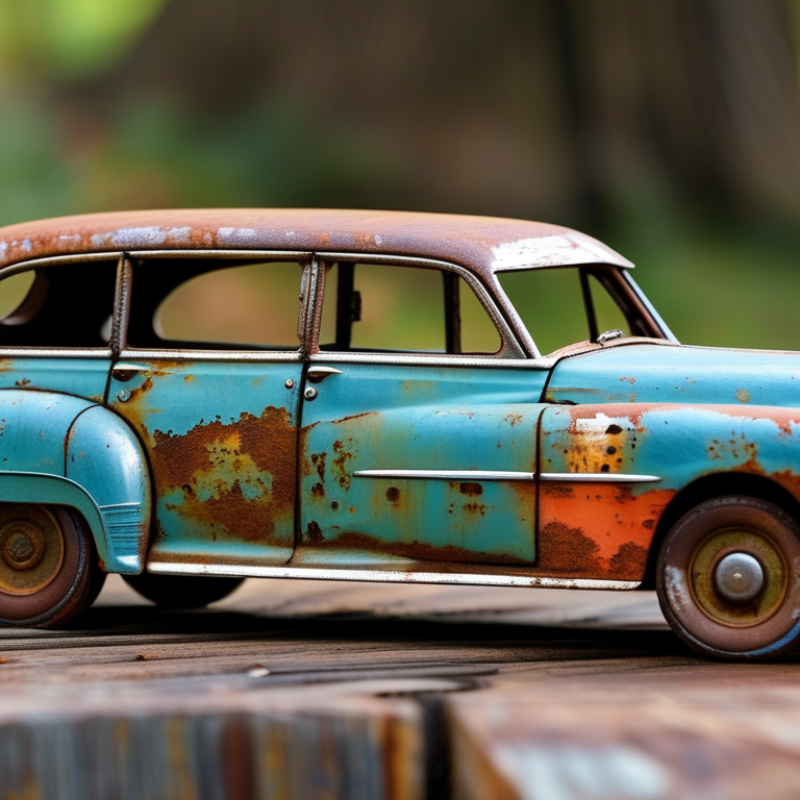
Understanding Rust: Causes and Effects on Vintage Metal Toy Cars
Rust on vintage metal toy cars can be a real problem. It occurs when metal reacts with moisture, leading to corrosion. Factors like humidity and lack of proper storage can accelerate this process. Understanding rust is vital for preservation. Rust not only affects the toy's appearance but can also compromise its structural integrity. If left untreated, it can lead to irreversible damage.
Tips: Always store your toys in a dry place. Use silica gel packets in storage bins to absorb moisture. Regularly check your collection for any signs of rust. Small, consistent maintenance can prevent larger issues.
Cleaning rust is sensitive work. A gentle approach is needed. Harsh chemicals may damage the paint and details. Instead, try using a soft cloth with vinegar or baking soda to scrub away rust. Test materials on a small area first. This ensures the finish remains intact. With patience, your vintage toys can regain their charm. Remember, an imperfect restoration is still a testament to their history. Reflect on the journey these toys have taken.
Essential Tools and Materials for Rust Removal
When it comes to restoring vintage metal toy cars, the right tools and materials make a significant difference. A soft-bristle brush is essential for removing loose rust particles without damaging the paint. Pitting and severe rust may require steel wool or sandpaper, but caution is necessary to avoid further abrasion. A rust remover solution, ideally with phosphoric acid, can effectively convert rust into stable compounds. Always read product instructions carefully for safe application.
Tip: Wear gloves and goggles to protect your hands and eyes while working with rust removers. Safety should never be overlooked.
After cleaning, it’s crucial to protect the metal. A rust-inhibiting primer can prevent future corrosion. According to industry reports, proper maintenance can prolong the life of vintage toys by 50% or more. Additionally, microfiber cloths are excellent for buffing and applying protective finishes without scratching surfaces.
Tip: Test any solution on a small area first. This helps gauge the effectiveness and minimize damage. Restoration is a delicate process, and patience is key. Rust removal isn’t always perfect, but with the right approach, excellent results are achievable.
Rust Removal Effectiveness of Different Methods
Step-by-Step Guide to Rust Removal Techniques
Vintage metal toy cars can evoke nostalgia, but rust can ruin their charm. To restore these collectibles, effective rust removal is essential. Studies indicate that over 30% of metal collectibles show signs of rust. This emphasizes the need for proper care techniques.
A common method involves using white vinegar. Its acidity breaks down rust effectively. Soaking the affected areas for several hours can yield significant improvements. However, it's important to monitor the process closely. Leaving metal submerged for too long can lead to discoloration. After soaking, scrub gently with a soft-bristle brush. Be cautious not to damage the paint beneath the rust.
Another technique is using baking soda paste. Combine baking soda and water to form a thick mixture. Apply it to rusted spots and let it sit. The abrasive nature of baking soda, when scrubbed lightly, can lift away rust. Yet, it’s essential to rinse thoroughly afterward. Residue from the paste can affect the metal's appearance. Restoring vintage cars requires patience and attention to detail. Imperfections in the process can lead to missed spots or unintentional damage. Close observation during rust removal will yield the best results.
Protecting Vintage Metal Toy Cars After Rust Removal
Protecting vintage metal toy cars after rust removal is crucial for their longevity. Once you've successfully removed rust, the next step is to safeguard these treasures. Applying a thin layer of wax is a common method. It creates a barrier against moisture and dust. Using natural beeswax can also enhance the shine.
Consider using rust-inhibiting spray, which adds another protective layer. Be cautious with application; too much can lead to a sticky residue. Lightly buffing the surface after spray application usually improves the aesthetic. Ensure the toy cars are stored in a dry, climate-controlled environment. This is vital in preventing future rusting.
Regular inspections are key. Check for new signs of rust or wear. If rust returns, be prepared to repeat the removal process. It's a labor of love, but the reward is the preservation of your cherished collection. Remember, even vintage toys need extra care to maintain their glory.
Maintaining and Caring for Your Restored Toy Cars
Restoring vintage metal toy cars can be a rewarding hobby. However, after you’ve removed the rust, maintaining these toys is crucial. Regular cleaning helps prevent dust and moisture accumulation. Use a soft cloth to wipe them gently. Avoid abrasive materials that may scratch the paint.
Consider applying a clear sealant. It adds a protective layer that resists new rust and dirt. Always store your cars in a climate-controlled environment. Fluctuating temperatures can cause old paint to crack. Remember that minor imperfections might give these toys character, reflecting their history. Choose how much wear you want to showcase.
Regular inspections are essential. Check for signs of rust reemergence or loose parts. This simple practice allows you to address issues before they worsen. Recall that these toys are not just collectibles but pieces of art with stories. Their flaws can be as treasured as their pristine finishes. Embrace the imperfections; they make each car unique.
How to Effectively Remove Rust from Vintage Metal Toy Cars? - Maintaining and Caring for Your Restored Toy Cars
| Method |
Materials Needed |
Effectiveness |
Time Required |
| Vinegar Soak |
White vinegar, container |
High |
1-2 hours |
| Baking Soda Paste |
Baking soda, water, brush |
Medium |
30 minutes |
| Sandblasting |
Sandblaster, protective gear |
Very High |
Varies |
| Chemical Rust Remover |
Rust remover product, brush |
High |
1 hour |
| Manual Scrubbing |
Steel wool, water |
Low |
Varies |
Conclusion
Removing rust from vintage metal toy cars requires understanding the underlying causes and effects of rust on these collectibles. Rust can deteriorate the aesthetics and value of the toys, making it crucial to address the problem effectively. Essential tools such as wire brushes, sandpaper, and rust removal solutions are required for the job. The process involves a step-by-step guide that includes assessing the rust damage, carefully cleaning the surface, and applying suitable treatments to restore the car's original condition.
After successfully learning how to remove rust from vintage metal toy cars, it’s important to protect them from future corrosion. Applying a protective coat and maintaining a proper storage environment can help preserve the restored condition. Regular care and attention will ensure that these nostalgic treasures remain in excellent shape for years to come, allowing collectors to enjoy their vintage toy cars without concerns about rust damage.

 Hoopla Toys