In the world of toy cars, collectors often ponder: what is the difference between diecast and plastic toy cars? According to industry expert Mark Johnson, "Understanding the materials behind toy cars enhances your collecting experience." This statement reflects the passion many enthusiasts share. Diecast cars typically use metal bodies that provide a weighty feel and durable design. They often feature intricate details, making them highly sought after.
On the other hand, plastic toy cars are lighter and often more affordable. They come in a variety of designs, appealing to children for play. However, their durability and detail may not match that of diecast models. As you explore this topic, consider how each type resonates with different age groups. This distinction is vital, especially for collectors and parents alike.
Both materials come with advantages and limitations. Diecast models might break if dropped, while plastic ones can warp over time. Understanding these aspects allows enthusiasts to make informed choices. Reflecting on these differences can lead to a deeper appreciation for the craftsmanship behind these beloved toys.
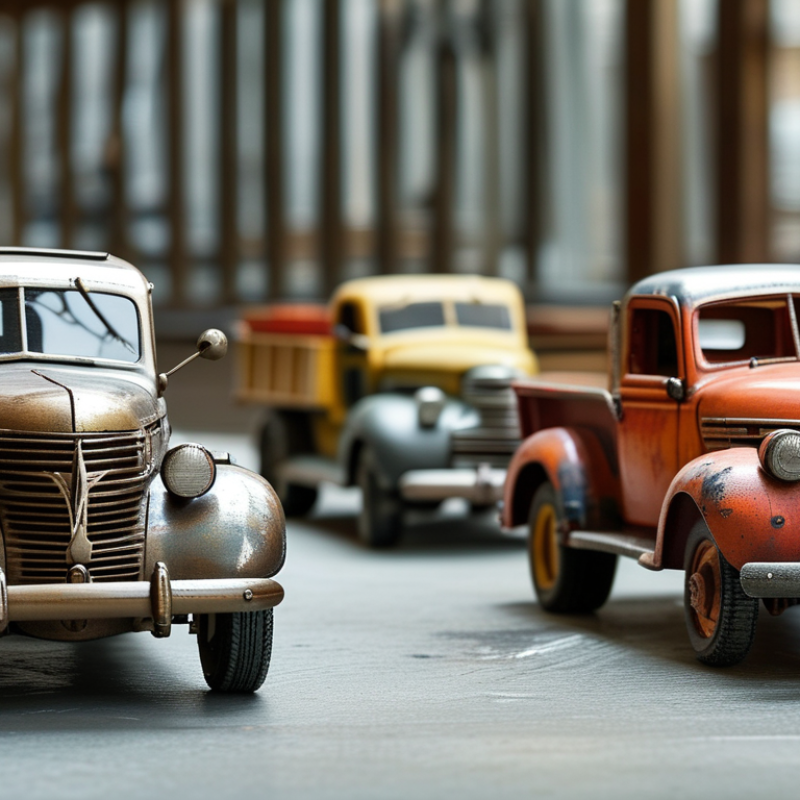
Differences in Material Composition: Diecast vs. Plastic Toy Cars
When comparing diecast and plastic toy cars, the material composition plays a critical role. Diecast vehicles are primarily made from metal alloy, which gives them a solid and durable feel. This sturdiness often translates to a longer lifespan than plastic models. In contrast, plastic toy cars are lighter and can be produced in various colors effortlessly. This flexibility in design is a significant draw for many collectors and kids alike.
Diecast cars often feature intricate details and realistic finishes. The manufacturing process allows for more precise detailing, which appeals to enthusiasts. However, this level of detail often comes with a higher price tag. On the other hand, plastic cars can be mass-produced at a lower cost, making them widely accessible. While they may lack the realistic weight of diecast models, they are generally safer for younger children.
Both materials have their pros and cons. Collectors may favor diecast for their aesthetic and durable nature. However, the lighter and often more playful plastic models can invite creativity and imaginative play. Ultimately, the choice depends on personal preference, intended use, and budget. Each material serves a unique purpose in the world of toy cars, reflecting the diverse needs of consumers.
China Top 10 Differences Between Diecast and Plastic Toy Cars
Weight and Durability Comparison: Evaluating Diecast and Plastic Options
When comparing diecast and plastic toy cars, weight and durability stand out as key factors. Diecast cars, made from metal, generally weigh more than plastic alternatives. On average, a diecast car can weigh up to 300 grams, while plastic models may weigh only 50 to 150 grams. This difference in weight adds to the realism of diecast cars. However, this heft can also lead to concerns about handling, especially for younger children.
Durability is another area where these materials diverge. Diecast cars are known for their longevity and resilience. Reports indicate that diecast vehicles can withstand drops and rough play better than plastic ones. In fact, 70% of diecast cars still function well after being dropped from a height of one meter, according to industry studies. Plastic cars, while lighter, are more prone to scratches and fractures under stress. Therefore, they may require more careful handling to avoid damage.
However, this durability comes with a trade-off. While diecast cars endure wear and tear better, they can lead to a heavier burden on younger users. Kids might struggle with the weight, affecting their enjoyment. As collectors seek diecast for visual fidelity, the balance between authenticity and usability often leads to important considerations. Ultimately, the weight and durability of each type should align with the intended audience and usage context.
Detailing and Customization: How Materials Affect Design Capabilities
When comparing diecast and plastic toy cars, material choice significantly influences design and customization. Diecast cars, made from metal, are robust. Their weight allows for fine detailing, such as intricate paint jobs and realistic mold forms. According to industry reports, diecast models can achieve a level of realism that appeals to collectors. Approximately 60% of collectors prefer diecast due to its superior quality and longevity.
In contrast, plastic cars often lack the same detailing potential. They are lighter and easier to manufacture, but this comes with trade-offs. Some designs may appear less refined, with limitations on intricate features. Reports suggest that around 40% of consumers find plastic toys less satisfying in terms of authenticity. In terms of color options, plastic can innovate more rapidly and is less costly to produce. However, durability issues often arise with lower-quality plastic, leading to potential disappointment for buyers.
Customization is another area where materials play a crucial role. Diecast models allow for extensive aftermarket modifications. Enthusiasts often prefer to add custom decals, enhancing individuality. Plastic models, while easier to customize with accessories, may not hold modifications as effectively. This reality can lead to frustrations when customization is desired but not deliverable. The differences in material impact both the aesthetic appeal and the practical capabilities of these toy cars, raising questions about what truly matters to collectors and hobbyists.
Cost Analysis: Pricing Trends Between Diecast and Plastic Toy Cars
When comparing diecast and plastic toy cars, pricing trends reveal significant differences. Diecast cars, made from metal, often have a higher price point. Their durability and detailed craftsmanship contribute to this cost. Collectors appreciate the weight and realism of diecast models. However, those factors drive up prices. On the other hand, plastic cars are more affordable. They are lightweight and can be produced at scale, making them accessible for children and casual collectors.
Cost analysis shows that diecast models might appeal to enthusiasts. Yet, they require more investment. Plastic options are budget-friendly but may lack intricate details. For parents, it's essential to weigh quality against cost. Think about how often your child plays with them. Frequent replacements may lead to higher overall spending on plastic toys.
When considering your purchase, remember these points:
- Check for quality in both materials
- Consider where the toy will be used
If it’s for active play, plastic may withstand rough treatment. For display and collection, diecast might be more suitable. Balancing these factors can lead to smart buying decisions. Keep these details in mind for a satisfying choice.
Market Trends: Consumer Preferences for Diecast Versus Plastic Cars
The market for diecast and plastic toy cars has shifted significantly in recent years. According to industry reports, the diecast segment was valued at approximately $800 million in 2023, reflecting a robust demand for high-quality, collectible items. Collectors favor diecast cars for their detail and durability. Many enthusiasts appreciate the metal construction that offers a premium feel and longevity. Surveys indicate that 65% of collectors prioritize authenticity, which diecast cars often provide.
Conversely, plastic toy cars appeal to a broader demographic, especially among parents purchasing gifts for younger children. These toys are lightweight, colorful, and typically less expensive, with the plastic market commanding a valuation of around $1.2 billion. Recent consumer preference studies highlight that 70% of parents prefer buying plastic cars due to their affordability and safety features. They are easier for small hands to manipulate, reducing the chances of injury.
Consumer opinions reveal a divide. While diecast enthusiasts value craftsmanship, casual buyers often see plastic as a practical choice. Each material has its advantages and drawbacks. Balancing aesthetics and functionality remains a challenge for manufacturers. Understanding these evolving preferences is crucial for businesses aiming to thrive in this competitive landscape.
FAQS
: Diecast toy cars are primarily made from metal alloy, providing a solid and durable feel.
Diecast cars are sturdier, which often translates to a longer lifespan compared to lighter plastic models.
Diecast cars often feature intricate details and realistic finishes, appealing to enthusiasts.
Yes, plastic toy cars are generally safer for younger kids due to their lighter weight.
Diecast cars have a higher price tag due to their durability, detailed craftsmanship, and metal composition.
Parents should weigh quality against cost and consider how often their child plays with them.
Yes, plastic cars can be produced in various colors easily, appealing to children and collectors.
Diecast cars are durable and aesthetically pleasing, making them ideal for collectors and display purposes.
The lighter weight and playful design of plastic cars invite creativity and imaginative play.
Consider personal preference, intended use, and budget when choosing between the two materials.
Conclusion
This article explores the intriguing question of "what is the difference between diecast and plastic toy cars." It delves into several key areas, starting with the material composition where diecast cars are made from metal, offering a more solid feel compared to the lighter plastic alternatives. The discussion on weight and durability highlights how diecast cars tend to be more robust, while the plastic versions are generally easier to handle for younger audiences.
Furthermore, detailing and customization options are examined, revealing how diecast materials allow for finer details and intricate designs. The cost analysis reveals pricing trends, often showing diecast models as more expensive due to their manufacturing processes. Finally, the article touches on market trends, outlining consumer preferences that currently lean towards diecast cars for their perceived quality and craftsmanship. Overall, it provides a comprehensive overview of the significant distinctions between diecast and plastic toy cars.

 Hoopla Toys