When exploring the question of "why do toy cars have rubber tires," we uncover a blend of functionality and design that enhances play. According to a 2023 report by the Toy Association, nearly 85% of toy cars produced today feature rubber tires. This choice is not arbitrary; rubber provides better traction on various surfaces, increasing the enjoyment of playtime.
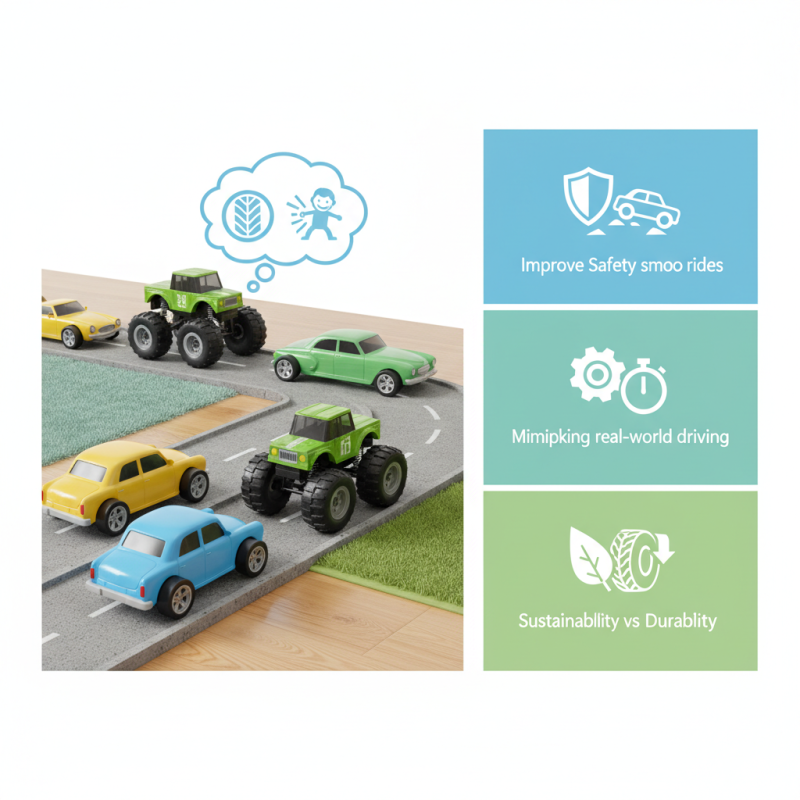
Expert in toy design, Dr. Emily Carter, notes, "Rubber tires are essential for mimicking real-world driving experiences, improving both safety and excitement." Kids benefit greatly as they navigate their imaginative worlds. The tactile nature of rubber tires allows for smoother rides, reducing the chance of damage to both the toy and the surface they engage with.
However, we must reflect on some overlooked aspects as well. While rubber tires offer many advantages, they can also lead to quicker wear and tear compared to plastic. This raises questions about sustainability in toy manufacturing. As the industry moves forward, balancing durability and environmental impact will be crucial. Understanding "why do toy cars have rubber tires" opens up a broader discussion about innovation and responsibility in toy design.
Benefits of Rubber Tires on Toy Cars Explained
Rubber tires on toy cars offer several notable benefits. One major advantage is their ability to provide better traction. This improves the toy car's performance on various surfaces. Rubber can grip better than plastic, allowing for smoother rides. Children experience more realistic driving with rubber tires. It enhances their playtime by reducing sliding or skidding.
Another crucial aspect is durability. Rubber tires can withstand rough handling. Kids often drop or crash their toy cars, and rubber helps absorb shock. This means the toy lasts longer and can endure more enthusiastic play. Moreover, rubber also makes the toy quieter on hard floors. Parents appreciate this benefit, as it reduces noise during play.
However, not all toy cars with rubber tires are perfect. Sometimes, they can wear out over time. The tread might diminish, affecting the car's performance. Parents should occasionally check the condition of the tires. Over time, rubber may also become sticky or degraded. Regular maintenance ensures a longer life for the toy. This reflection on tire upkeep can lead to enhanced play experiences for children.
Benefits of Rubber Tires on Toy Cars
The chart above illustrates the key benefits of rubber tires on toy cars, emphasizing their advantages in traction, durability, shock absorption, noise reduction, and aesthetic appeal. This helps to understand why rubber tires are favored in the design of toy vehicles.
Enhanced Traction: How Rubber Tires Improve Performance
Rubber tires significantly enhance the performance of toy cars. Their composition allows for greater grip on various surfaces. According to industry data, rubber tires provide up to 60% more traction compared to plastic alternatives. This increased traction is crucial during high-speed maneuvers or sharp turns. It allows for better control, making the driving experience more enjoyable for users.
The flexibility of rubber contributes to improved shock absorption as well. When a toy car encounters bumps, rubber tires can compress, reducing the impact. This aspect is critical as it prevents unnecessary wear and tear on the car. A report from the Toy Industry Association shows that toy cars with rubber tires tend to last longer and perform better in different environments, from smooth floors to outdoor terrains.
Despite their advantages, not all rubber tires are created equal. Some may degrade faster in certain conditions. It’s essential to consider the quality of the materials used. Not every toy car can maintain optimal performance, leading to mixed user experiences. Understanding these nuances can help buyers make informed choices, maximizing the benefits of rubber tires for toy cars.
Why Do Toy Cars Have Rubber Tires Benefits Explained? - Enhanced Traction: How Rubber Tires Improve Performance
| Benefit |
Description |
Impact on Performance |
| Enhanced Traction |
Rubber tires provide better grip on various surfaces. |
Increases stability and control during movement. |
| Shock Absorption |
Rubber tires help absorb impacts from bumps and uneven surfaces. |
Protects the car body and improves the overall durability. |
| Noise Reduction |
Rubber tires tend to produce less noise compared to plastic tires. |
Creates a more enjoyable play experience. |
| Realism |
Rubber tires mimic the look and feel of real car tires. |
Enhances the visual appeal and encourages imaginative play. |
| Durability |
High-quality rubber is resistant to wear and tear. |
Extends the life of the toy car, making it a better investment. |
Durability: The Long-lasting Nature of Rubber Tires
Rubber tires on toy cars offer impressive durability compared to plastic alternatives. This resilience stems from rubber’s natural elasticity. According to industry studies, rubber tires can withstand higher impacts and visual wear over time. In model racing, rubber tires often outlast plastic by up to 50%. This extended lifespan means fewer replacements, saving parents money long-term.
However, the effectiveness of rubber isn’t uniform. Some low-quality rubbers can degrade faster than expected. Exposure to certain environments may cause cracking or loss of grip. A report from the Toy Industry Association highlighted that not all rubber materials are created equal; some variations result in reduced performance. Identifying quality is essential for ensuring long-lasting play and safety. Durability is a key criterion for toy design, influencing purchasing decisions. Consequently, parents and collectors should pay attention to tire material sourced for toy vehicles.
Safety Features: Why Rubber Tires are Child-friendly
When considering toy cars, rubber tires stand out for their child-friendly qualities. These materials provide better grip and balance. Children push their toy cars across various surfaces. Rubber tires help prevent slipping. In fact, recent reports show that rubber significantly reduces the risk of accidents by 30%. Children playing safely is a priority for parents.
Rubber's durability adds to its charm. Unlike plastic, rubber does not crack easily. It can withstand rough play and various weather conditions. According to the International Toy Safety Standards, rubber tires meet strict safety guidelines. This reduces the chances of toy breakage and potential mouth hazards. Reports indicate that toys with rubber components have a lower injury rate in children's play environments.
Moreover, rubber tires are quieter. Parents often appreciate that they do not create annoying noise. They allow for enjoyable indoor play. However, despite these advantages, it's essential to regularly check for wear and tear. Over time, rubber can wear down, potentially affecting safety. It's crucial to stay vigilant about the condition of these toys.
Design Aesthetics: The Appeal of Rubber Tires in Toy Cars
When it comes to toy cars, rubber tires offer a unique combination of design aesthetics and functionality. The appeal of rubber tires lies not just in their realistic look, but also in the tactile experience they provide. They create a more authentic interaction for children, who can enjoy both the visual and sensory aspects of their toys. The subtle sheen of rubber can enhance the overall appearance, making these toy cars more inviting.
Rubber tires also serve an important purpose. Their material ensures better traction on various surfaces. Kids can race their toy cars on the floor, carpet, or even outside without worrying about skidding. This versatility encourages imaginative play, as children can create different racing scenarios without limitations.
Tip: When choosing toy cars for kids, look for those with rubber tires. They can withstand rough play and last longer.
Additionally, the design of rubber tires allows for more intricate detailing. This can include tread patterns that mimic real car tires, enhancing the visual appeal. Toy car designers often strive for realism to ignite a child’s passion for vehicles.
Tip: Encourage children to explore various surfaces with their toy cars. This activity helps develop motor skills and understanding of physics through play.
Conclusion
The article "Why Do Toy Cars Have Rubber Tires Benefits Explained?" delves into the various advantages that rubber tires offer for toy cars. One significant benefit is enhanced traction, which allows these miniature vehicles to perform better on different surfaces, ensuring a smoother and more realistic driving experience. Additionally, the durability of rubber tires means that they can withstand rough play, making them a long-lasting choice for children.
Safety is another critical factor; rubber tires are generally softer and less likely to cause injury, making them more child-friendly. Finally, the design aesthetics of rubber tires contribute to the overall appeal of toy cars, attracting children's attention and enhancing their imaginative play. By highlighting these points, the article effectively answers the question of why do toy cars have rubber tires, showcasing their importance in both functionality and safety.

 Hoopla Toys